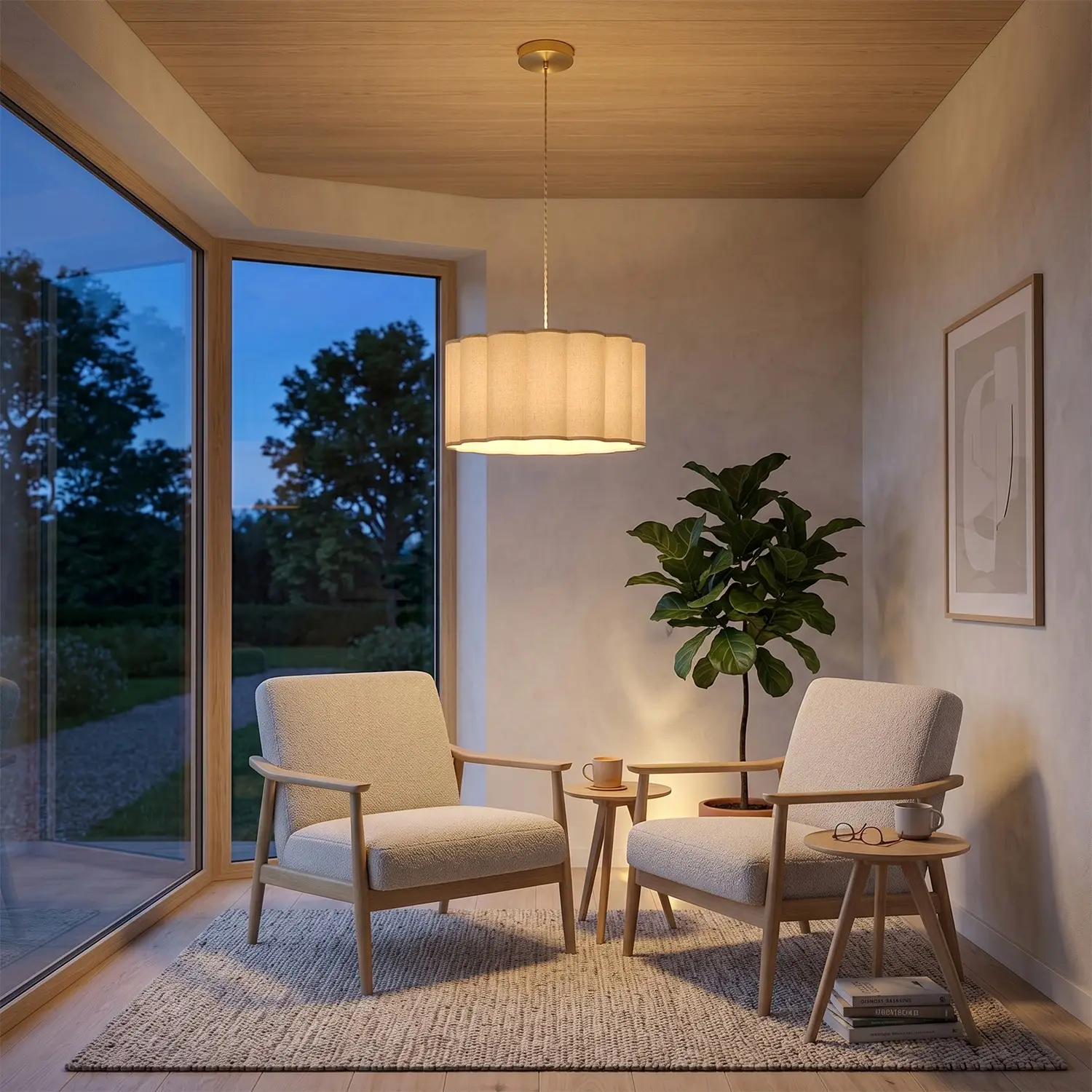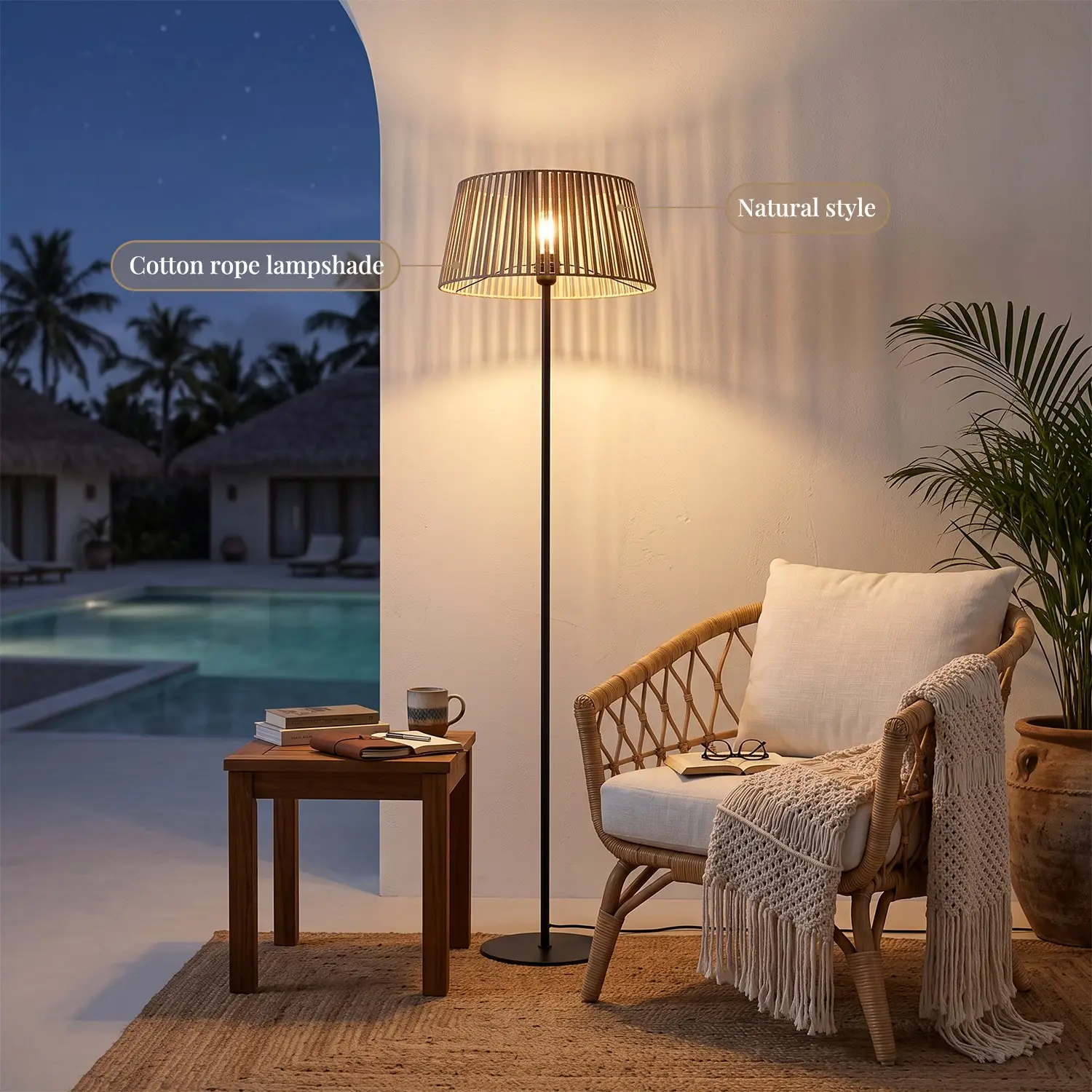
Bulk rope lighting procurement guide: Successful large-scale lighting rollouts require moving beyond consumer-grade aesthetics to prioritize UL 2388 safety compliance, thermal dissipation modeling, and modular rapid-connect architecture. This guide provides procurement engineers with the technical criteria necessary to mitigate maintenance costs and ensure regulatory adherence in hospitality and commercial infrastructure projects.
The Hidden Risks of Commodity-Grade Rope Lights in Commercial Spaces
In large-scale commercial hospitality projects, the failure of a lighting system is not merely an aesthetic concern; it represents a significant operational liability. Commodity-grade systems often lack the industrial-grade UV stabilization and internal wiring redundancy required for 24/7 operation. During factory audits, we frequently observe failures originating from low-grade PVC casings that degrade under standard commercial HVAC environments, leading to brittleness and short circuits. To avoid these pitfalls, procurement teams must demand documented material stress testing, ensuring the product can withstand the high-tension demands of decorative lighting installations.
Decoding Electrical Specifications: Driver Compatibility and Load Management
Universal compatibility is a myth in professional lighting. Engineers must verify dimming protocols, such as 0-10V or DALI, through official lab testing reports. Our production line maintains strict tolerances for integrated drivers, ensuring that every batch meets specific voltage drop constraints essential for long-run installations. When selecting professional Hemp Rope Light systems, specify the intended dimming curve to prevent flicker and premature LED driver failure, which are common when mismatched components are deployed at scale.
The Importance of Thermal Dissipation in High-Lumen Rope Systems
Heat is the primary enemy of LED longevity. High-lumen rope lights require sophisticated thermal dissipation modeling to prevent internal components from reaching critical junction temperatures. In our manufacturing process, we utilize heat-conductive internal cores that channel warmth away from the diode array. For context, our Glass Hanging Lights, such as model JM30356 (Ø30 × H100 CM), are built with metal housings that double as heat sinks, a philosophy we carry over to our industrial rope systems. Proper thermal management allows these units to exceed 30,000 hours of L70 performance.
Structural Integrity: Strain Relief and Mounting for Large-Scale Arrays
Professional installations in high-ceiling environments place immense stress on cabling. We employ proprietary strain relief testing protocols, cycling the mounts through tension tests that exceed standard building codes by 200%. Whether you are installing complex arrays or individual Pendant Lights, the mounting hardware must provide a fail-safe against vibration and accidental pulls. This structural rigor is the difference between a lighting system that lasts three years and one that survives a decade of commercial operation.
Regulatory Compliance: What You Must Ask Your Manufacturer
Before finalizing a contract, you must request official compliance documentation. Flexible lighting products should adhere to UL 2388 standards for flexible lighting products to ensure fire safety and electrical integrity. Additionally, look for IEC ingress protection (IP) reports to confirm the product's resistance to dust and humidity. If a manufacturer cannot produce a signed report from an accredited third-party lab (such as TUV or SGS), the product is not fit for large-scale commercial deployment.
Rapid Installation: Reducing Labor Costs through Custom Connector Options
On-site labor is often the largest cost component in lighting rollouts. By specifying factory-approved modular rapid-connect architecture, procurement managers can eliminate complex on-site wiring. Our factory pre-assembles these connectors to withstand high-current loads without heating, significantly accelerating installation time for large projects. When reviewing our catalogue, note how our Hemp Rope Hanging Light series utilizes these streamlined connections to ensure uniform aesthetics and electrical safety across the entire site.
Evaluating Factory Capability: Transparency, Traceability, and Batch Consistency
Batch inconsistency is a common failure point that results in color temperature drifting across an installation. We provide transparent material traceability, allowing procurement engineers to verify the origin of every component. Our automated cord integration and testing lines are documented through internal QC checkpoints, ensuring that the performance metrics of model JM30351-5 (Ø49 × H110 CM) or model JM30352-6 remain consistent across every production run, regardless of order volume.
| Specification Category | Industrial-Grade Requirement | Consumer-Grade Risk |
|---|---|---|
| Electrical Safety | UL 2388 Certified | Non-compliance/Fire Hazard |
| Ingress Protection | IP65/IP67 Tested | Moisture Ingress/Corrosion |
| Strain Relief | Factory Tension Tested | Mechanical Failure |
Need Technical Documentation for Your Next Project?
Request our full specification sheets and material compliance reports to ensure your installation meets all regulatory standards.
Request Technical Spec SheetFrequently Asked Questions
Q: What is the importance of UL 2388 for rope lighting?
A: UL 2388 is the specific safety standard for flexible lighting products, ensuring they are tested for electrical, fire, and mechanical hazards common in commercial environments.
Q: How do I ensure thermal management in dense rope housings?
A: Always request thermal dissipation modeling reports that demonstrate how the housing material and internal structure dissipate heat to maintain LED junction temperatures within safe limits.
Q: Can I modify these rope lights on-site to fit my space?
A: No, professional-grade systems should not be modified on-site. We provide custom-length solutions with factory-tested modular connectors to ensure safety and compliance.
Q: What IP rating do I need for outdoor commercial rope lighting?
A: For outdoor commercial environments, we recommend IP67-rated fixtures, which provide robust protection against dust and temporary water immersion as confirmed by third-party IEC reporting.
Q: Why is batch consistency reporting critical for large projects?
A: It ensures that all lights in your infrastructure project have identical color temperatures and light output, preventing visual discrepancies across large-scale installations.
Ready to Compare Models?
Contact our engineering team to evaluate technical requirements for your specific site conditions.
Compare Models