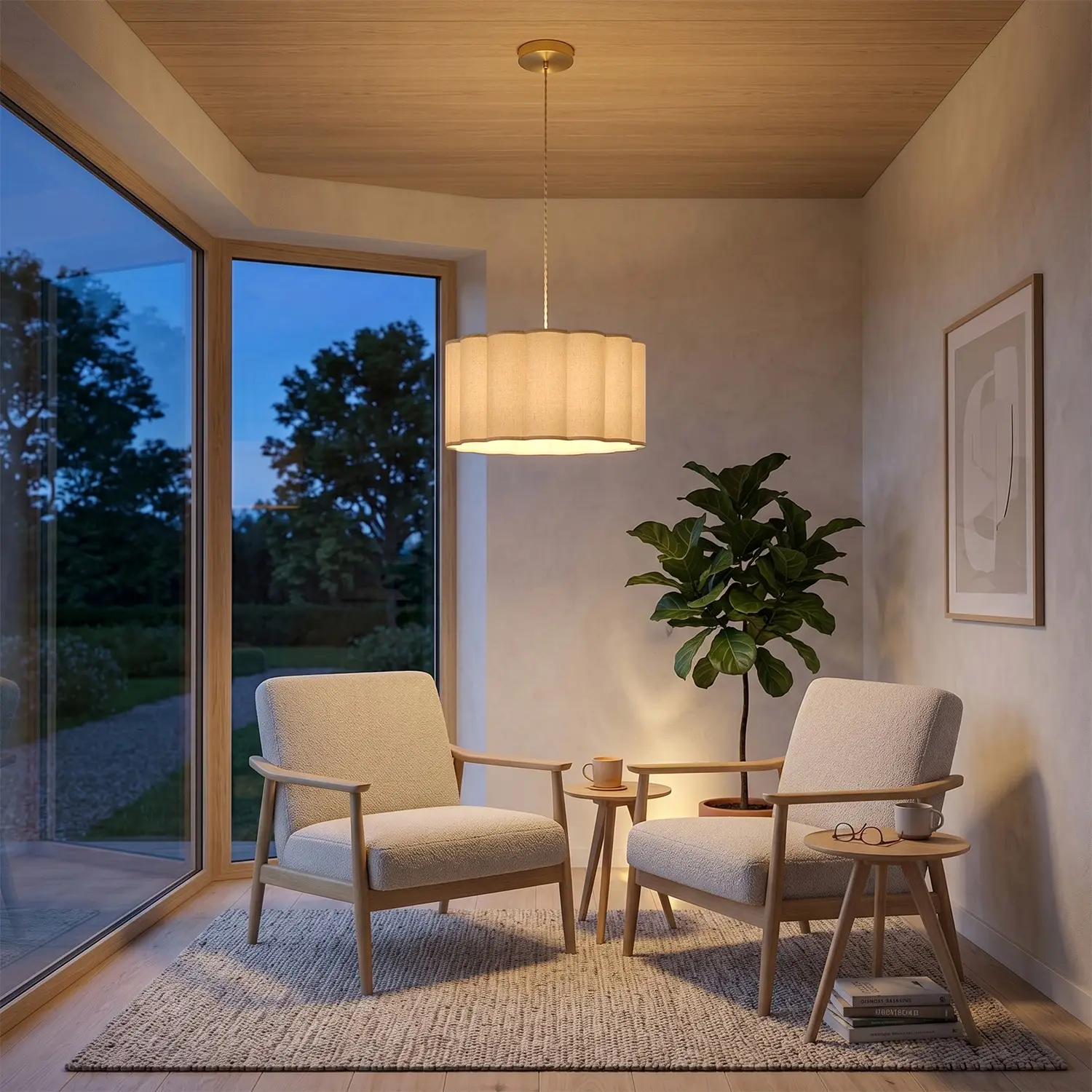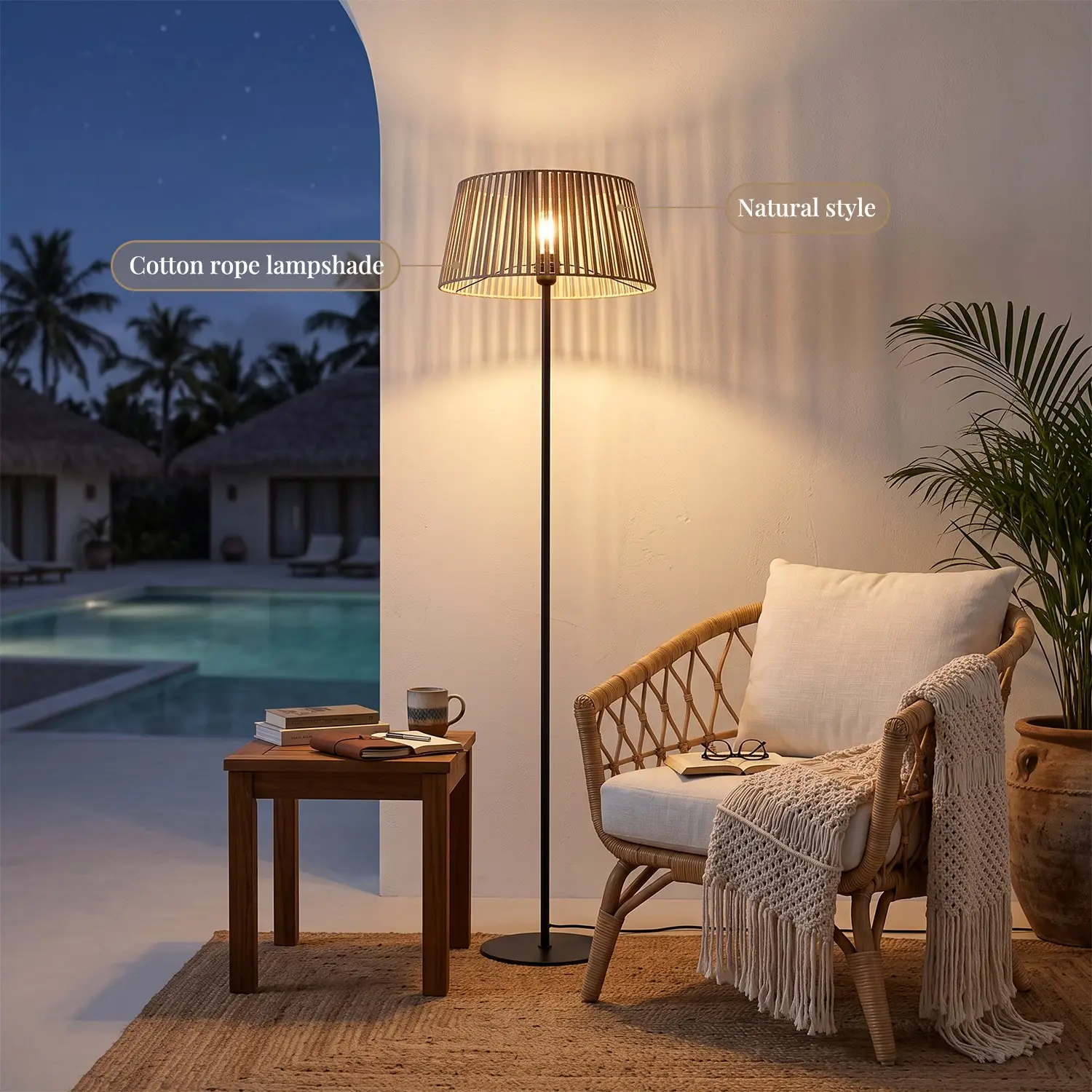
Commercial hemp rope pendant lighting specifications: To meet commercial building codes, rope lighting must utilize integrated fire-retardant fiber treatments, load-bearing mechanical conduits to isolate electrical wiring from tension, and certified junction box mountings. Ensuring compliance with ASTM E84 and NEC standards is essential for safety and structural integrity in high-traffic commercial environments.
The Engineering Difference: Aesthetic Rope vs. Structural Lighting Assemblies
In high-scale commercial projects, standard decorative rope fixtures often fail under the weight of continuous use. A professional-grade Hemp Rope Light must be engineered as a structural assembly. Unlike consumer-grade alternatives, our manufacturing process incorporates proprietary internal conduit threading. This mechanical design ensures that the weight of the fixture is entirely supported by the internal conduit, removing all tension from the electrical wiring. By isolating the copper components from mechanical stress, we prevent the premature fatigue common in custom Chandeliers and long-run lighting systems.
Material Science: Impact of Fiber Density on Heat Dissipation
The thermal properties of natural hemp fibers are critical when designing fixtures for high-output LEDs. During our production cycles, we verify fiber density to ensure adequate airflow around the lamp socket. For example, our Glass Hanging Lights like model JM30356, which measures Ø30 × H100 CM, demonstrate the necessity of managing heat-retention zones. When using high-wattage sources in fabric or fiber-wrapped fixtures, dense, non-treated materials can trap heat, leading to premature driver failure. We calibrate the weave density of our rope to ensure optimal thermal dissipation, maintaining internal temperatures within the safe operational limits specified for the electrical components.
Compliance & Safety: Meeting ASTM E84 and NEC Requirements
For commercial hospitality and retail interiors, compliance with fire-safety standards is non-negotiable. Our braided hemp materials undergo rigorous treatment to meet ASTM E84 surface burning characteristics. While some suppliers describe their goods as fire-proof, we classify our fixtures as fire-retardant, providing full test reports for flame spread index and smoke development. Furthermore, all wiring installations are designed for National Electrical Code (NEC) compliance, ensuring that every Ceiling Light meets the safety mandates for public occupancy spaces.
Technical Installation: Junction Box Weight Ratings
A common failure point in commercial installation is the attempt to use standard residential junction boxes for heavy braided fixtures. A commercial Hemp Rope Chandelier often exceeds the 50-pound limit of residential-grade mounts. Our factory QC protocols require load-bearing verification for every mounting plate produced. We advise project managers to ensure ceiling-side support brackets are rated for the fixture's specific mass. During our internal stress tests, we utilize high-tensile steel mounting interfaces that exceed standard weight requirements, ensuring that long-run installations remain stable over the lifetime of the project.
Factory Protocols: Fiber Moisture Control and QC
In high-humidity environments, natural fibers can naturally absorb moisture, causing the rope to sag or degrade over time. Our factory implements a verified moisture-control protocol. Raw fibers are climate-controlled during the spinning and braiding process to maintain a moisture content below 12 percent. This stabilization prevents the fixture from deforming after installation. In units like the Fabric Pendant Lights (such as model JM30364), this strict control ensures that the fixture retains its original geometry throughout the warranty period.
Procurement Guide: Specifying Load-Bearing and Wiring Needs
When sourcing for large-scale commercial projects, clarity in your technical specifications is paramount. We recommend requesting documentation on structural tensile strength and electrical conduit isolation. Whether you are ordering a standard Hemp Rope Hanging Light or a bespoke installation, ensure your RFQ includes the desired voltage requirements (AC 110-240V, as featured in our JM30364 model) and compliance certificates.
| Specification Category | Commercial Requirement | Our Protocol |
|---|---|---|
| Fire Safety | ASTM E84 Compliant | Verified treated fibers |
| Wiring Isolation | Zero tension on copper | Integrated internal conduit |
| Voltage Rating | 110V - 240V AC | Certified E27 standard |
| QC Protocol | Moisture control | <12% moisture index |
Need Technical Specifications for Your Project?
Download our comprehensive product spec sheets or request a bulk quote for your upcoming commercial installation.
Request a Bulk Project QuoteFrequently Asked Questions
Q: What are the fire safety and flame retardant standards for natural fiber ceiling fixtures in commercial spaces?
A: In commercial spaces, natural fiber fixtures should be tested against ASTM E84 standards to measure flame spread and smoke development. We ensure our treated hemp meets these critical safety criteria.
Q: How does natural hemp rope interact with high-heat LED light sources?
A: Natural fibers can retain heat if not properly ventilated. We calibrate the braiding density and incorporate heat-dissipating socket housings to ensure thermal safety during extended operation.
Q: What are the typical lead times and MOQ requirements for custom-length hemp rope lighting?
A: Lead times vary based on project scale and customization requirements. Please contact our procurement team with your project schedule to discuss specific MOQ requirements for custom configurations.
Q: Which electrical safety certifications are required for hemp-based lighting in hospitality projects?
A: Depending on the region, products should carry certifications like CE or local equivalents. All our electrical components undergo rigorous testing for compliance with international safety standards.
Q: How to manage structural weight capacity when installing heavy-gauge hemp rope lighting systems?
A: Always verify that the ceiling junction box is rated for the total weight of the fixture. Use specialized load-bearing mounting brackets rather than standard residential electrical boxes for all commercial installations.
Streamline Your Procurement Process
Get accurate load-bearing data, fire-safety reports, and bulk pricing information directly from our engineering team.
Download Technical Spec Sheets