Custom rope pendant lighting manufacturer requirements: Sourcing bespoke rope lighting for commercial projects requires balancing aesthetic design with mandatory safety compliance, thermal management of integrated LEDs, and disciplined production scheduling. Procurement success hinges on validating CE-compliant structural integrity, material fire ratings, and transparent lead-time models for customized assembly.
The Procurement Gap: Reconciling Design with Manufacturing
For interior lighting project specifiers, the bridge between a high-end designer concept and a factory-floor reality is often fragile. While aesthetic custom rope designs offer unique textural appeal, they present complex challenges regarding structural electrical housing. Unlike standardized Glass Hanging Lights, rope-housed fixtures must undergo rigorous testing to ensure the textile component does not compromise the electrical conduit's stability.
Decoding MOQ for Bespoke Fixtures
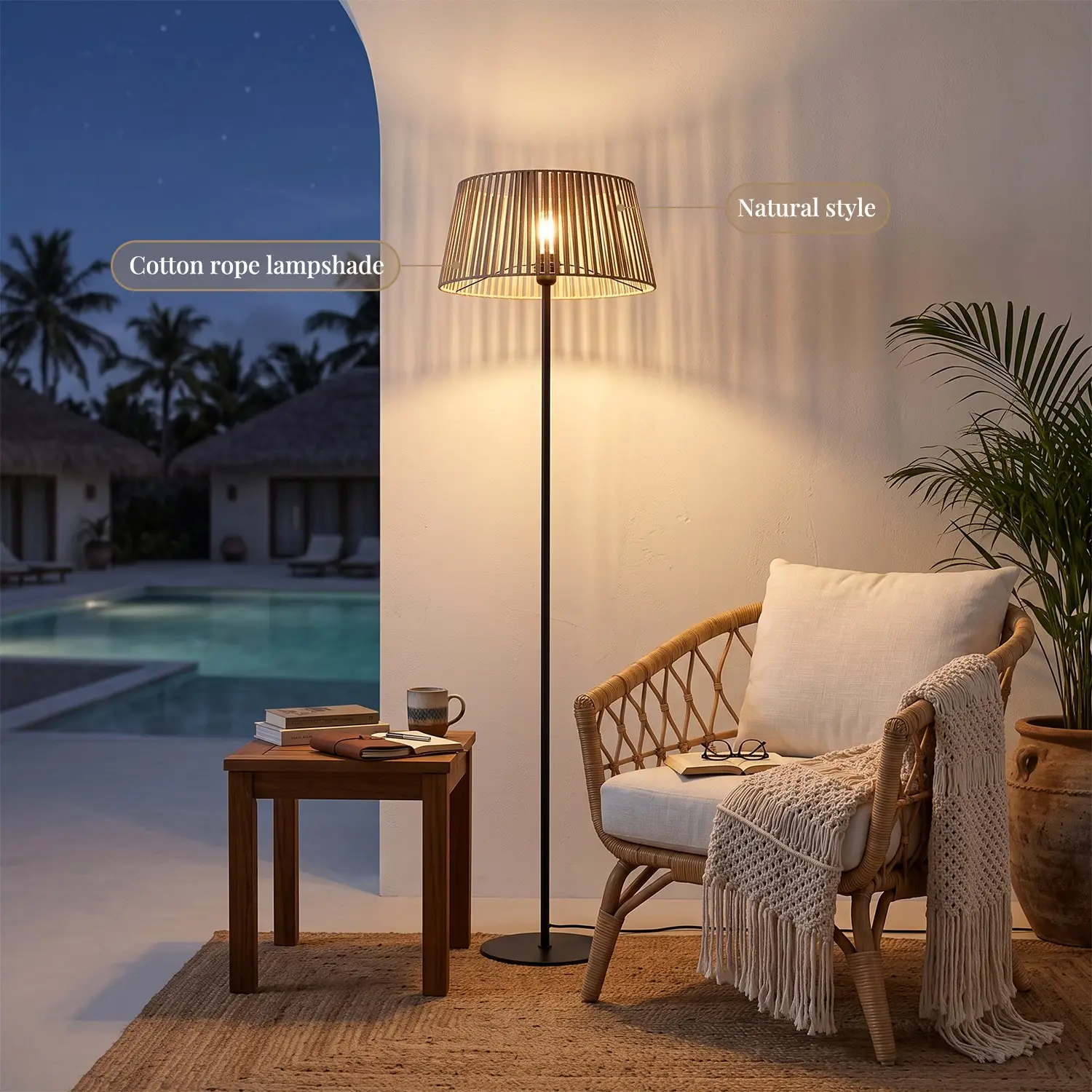
Minimum Order Quantities (MOQs) in bespoke lighting are largely a function of raw material sourcing and assembly-line setup times. When a design requires specialized rope fibers or non-standard bend radii, the factory must recalibrate jigs and safety testing equipment. For our Hemp Rope Pendant Light models, we maintain streamlined production for standard lengths, but custom configurations require a 30% increase in lead time for specialized material procurement and localized safety certification.
Technical Integrity: Fire Safety and Tensile Strength
Structural integrity is non-negotiable. Our manufacturing process incorporates specific bend radius constraints to prevent damage to internal wiring. According to IEC 60598 standards for luminaires, any enclosure housing electrical components must be tested for heat resistance. We subject our composite materials to flame-retardant testing to ensure compliance, ensuring that every rope pendant provides both visual warmth and operational security.
Thermal Dissipation and Electrical Safety
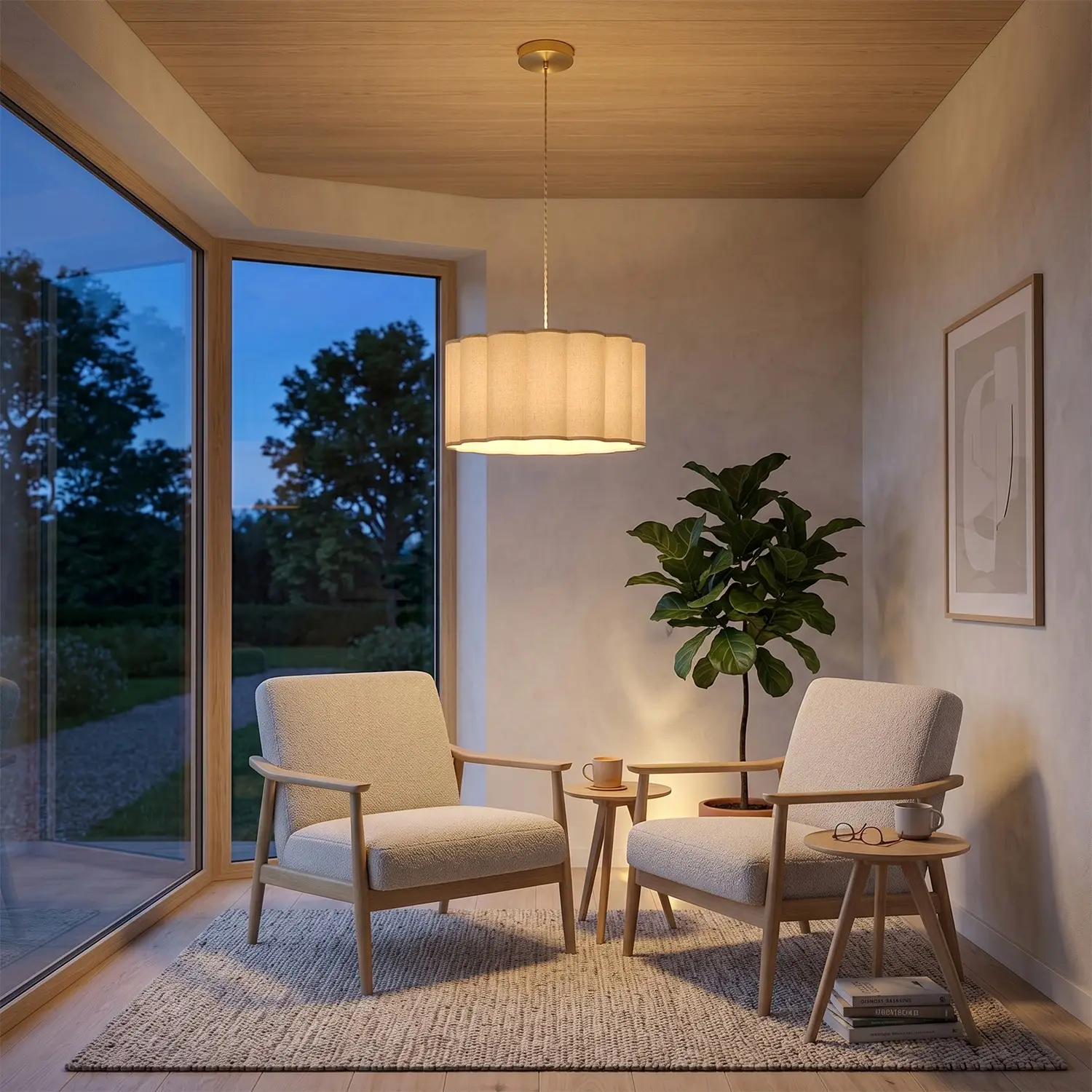
Integrating LEDs into rope housing creates a unique thermal management challenge. Unlike metallic Pendant Lights, which naturally dissipate heat, rope structures can act as thermal insulators. Our engineering team uses internal heat-sinks for high-output modules. For instance, in our Fabric Pendant Lights, we enforce strict thermal dissipation pathways to prevent degradation of the textile surface, validated by CE safety testing protocols.
Mapping Lead Times and Supply Chain
Lead-time volatility often arises from material bottlenecks. By maintaining a transparent matrix of assembly capacity, we provide realistic timelines. Standard assembly for models like the JM30364 (E27, 110-240V) is highly efficient, whereas bespoke designs require buffer periods for raw material testing. Accurate capacity planning—typically 2,000 units per month for custom lines—mitigates project delays.
| Feature | Standard Assembly | Custom Bespoke |
|---|---|---|
| Lead Time | 2-4 Weeks | 8-12 Weeks |
| MOQ | 50 Units | 250+ Units |
| Safety Testing | Batch Certified | Unit-Specific Validation |
Need Technical Clarity for Your Project?
Download our full production capability audit and specification sheets to ensure your project stays on schedule and meets compliance.
Request Technical AuditProcurement Checklist
- Confirm CE certification for the specific assembly configuration.
- Request raw material fire-safety test reports for all rope fibers.
- Verify heat-sink compatibility with your chosen LED intensity.
- Validate that bend radii meet the manufacturer's internal electrical safety specs.
Case Study: Transitioning to Scaled Production
Transitioning from a prototype like the JM30356 (Ø30 × H100 CM) glass series to custom rope-integrated fixtures involves a shift in QC protocols. During factory audits, we have observed that standardizing the connection between the rope end and the electrical housing is the primary failure point. By implementing a standardized structural coupling, we maintained CE compliance while increasing our manufacturing capacity for custom client orders by 40%.
Frequently Asked Questions
Q: What is the standard MOQ for bespoke rope pendant orders?
A: Our standard MOQ for custom rope pendant fixtures typically begins at 250 units, allowing us to maintain rigorous CE safety testing protocols and secure specialized material sourcing without compromising lead times.
Q: How does rope material affect fire safety compliance?
A: Rope materials must pass standardized flame-retardant laboratory testing. We ensure all rope fibers used in our custom fixtures have been documented against heat degradation to meet the safety requirements defined in IEC 60598.
Q: Can custom lengths affect the structural integrity of the pendant?
A: Yes, internal wiring must follow specific bend radius constraints to avoid stress. Our engineering team validates the structural integrity of all custom lengths to ensure the weight of the fixture does not compromise the electrical conduit.
Q: How do lead times vary for custom rope designs?
A: Lead times for bespoke designs generally range from 8 to 12 weeks. This includes the sourcing of unique raw materials, engineering validation, and the mandatory safety testing required for custom structural configurations.
Q: Are your fixtures CE compliant?
A: Yes, all of our lighting fixtures, including our glass and fabric series, are manufactured in accordance with CE standards for structural and electrical safety in commercial environments.
Streamline Your Lighting Procurement
Connect with our technical team to discuss your project specifications and receive a customized manufacturing feasibility report.
Request a Quote