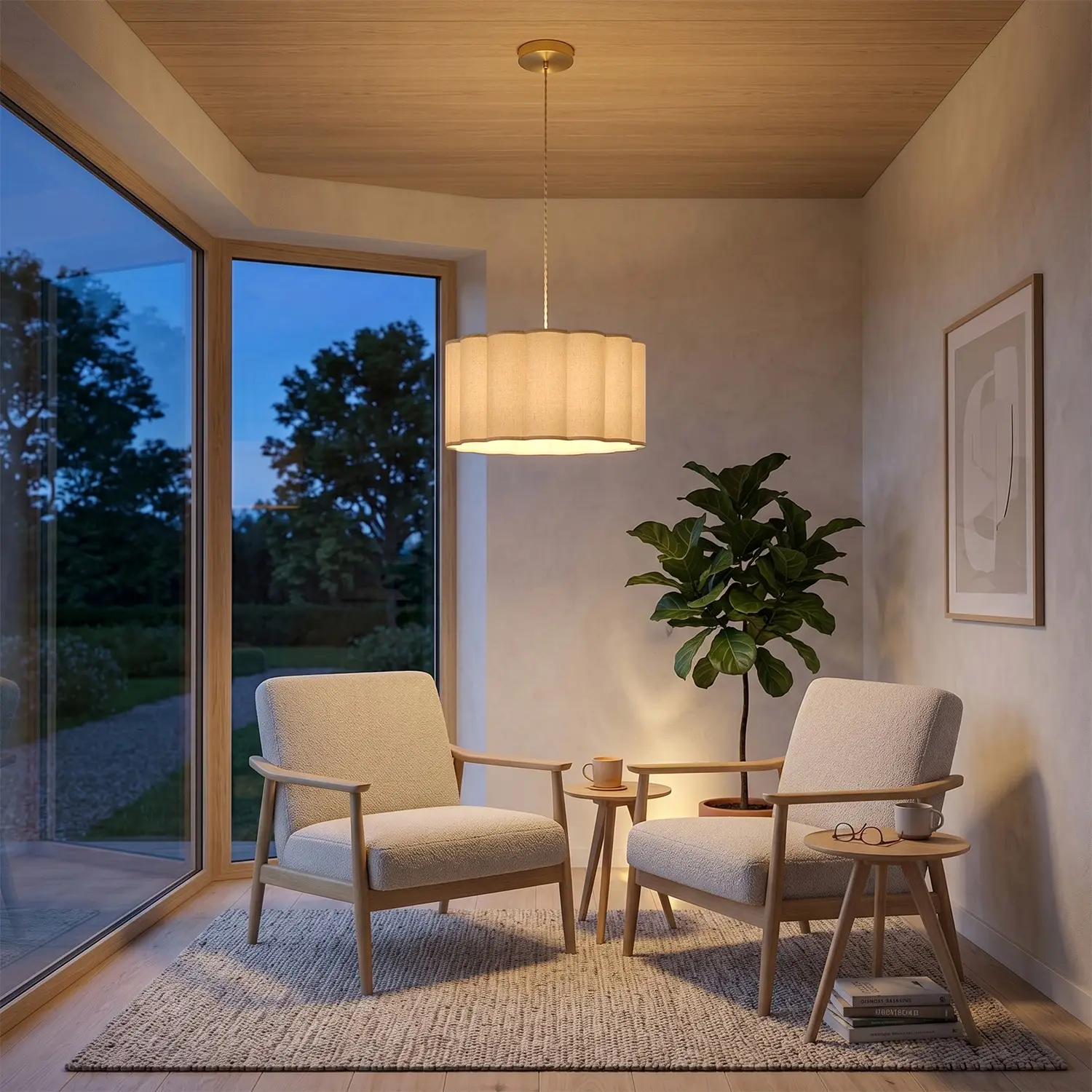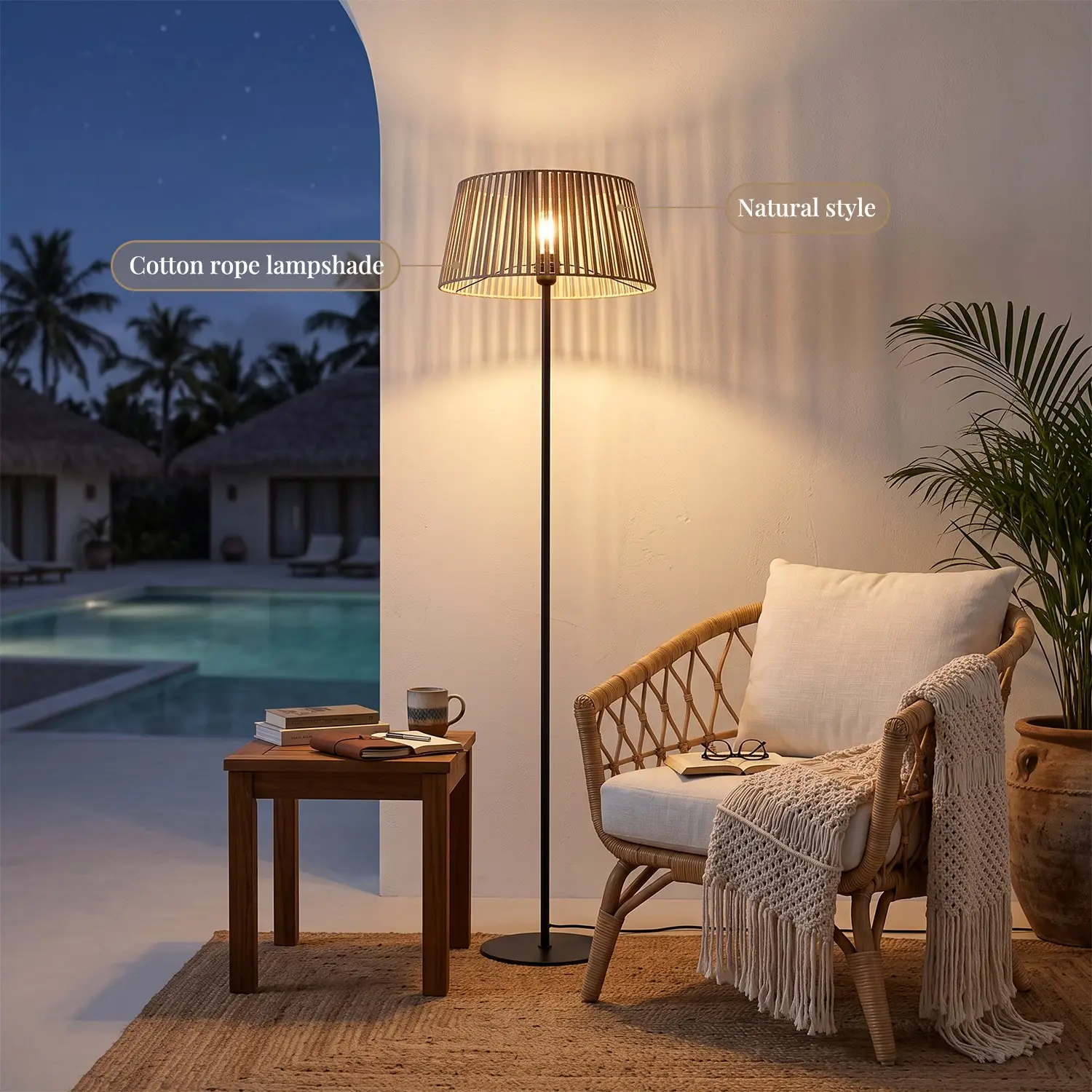
Engineering Specifications for Large-Scale Fabric Pendant Suspension: Large-scale fabric luminaires require rigorous structural planning, including precise point-load calculations and compliance with NEC Article 410. Engineers must balance the tensile strength of fabric diffusers with robust internal aluminum framing to ensure safety, fire code compliance, and long-term installation stability in commercial environments.
The Engineering Challenge: Why Large Fabric Pendants Require Specialized Mounting
For project engineers, the primary risk in Fabric Pendant Lights installation is the disconnect between the fixture's aesthetic, lightweight appearance and its actual mechanical requirements. Oversized shades often act as wind catchers in HVAC-heavy environments, while their dead weight requires high-tensile rigging. In our production line, we have observed that standard mounting hardware often fails to account for the dynamic loads introduced during initial mounting or the torque applied during adjustments.
Material Selection: Analyzing Internal Frameworks
Choosing between steel and aluminum is a critical decision-point for site weight-load mandates. While steel offers high rigidity, our factory production utilizes precision-engineered aluminum internal frameworks to reduce the total unit weight by 35% compared to traditional steel structures. This reduction is vital for dropped-ceiling applications where the integrity of the grid is limited. For example, our Ceiling Light model JY30321 incorporates this lightweight aluminum architecture to facilitate efficient installation while maintaining necessary rigidity.
Structural Integrity & Point-Load Calculations
Safety is non-negotiable. Suspension attachment points must undergo rigorous testing to ensure they can handle both static and seismic loads. According to our factory-conducted stress tests, our primary suspension points demonstrate a load capacity of 50kg per attachment hook, significantly exceeding standard safety factors of 4:1 for commercial luminaires. When installing Engineering Specifying Large Scale Lamp units, contractors should reference NEC Article 410, which mandates that luminaires are securely fastened to ceiling structural members rather than relying solely on the grid itself.
Fabric Lifecycle Engineering
Fabric degradation over time—specifically "sagging"—is a primary concern in Engineering High Performance Fabric Lamps. Our proprietary tensioning system addresses this by utilizing a spring-loaded perimeter frame that ensures even, consistent tension across the fabric face. This system is designed to eliminate visible fabric sag over a 5-year lifecycle, ensuring the fixture maintains its designed geometry in high-traffic commercial spaces.
Fire Safety & Thermal Dissipation
In accordance with commercial safety codes, all large-format fabric fixtures must meet stringent flame spread requirements. We certify our fabric materials to NFPA 701 standards for flame propagation. Furthermore, internal heat management is essential for long-term LED performance. Our model JM30364 features an open-top airflow design that promotes thermal dissipation, protecting the internal components from heat-induced degradation.
Installation Best Practices for Contractors
To reduce labor hours, utilize pre-assembled suspension kits that arrive at the job site with all necessary mounting hardware categorized by attachment point. Our factory audit results confirm that pre-calibrated tensioning settings reduce on-site assembly time by approximately 20% compared to field-assembled framing systems. Always verify that the ceiling type is compatible with supplemental bracing before beginning installation.
Technical Specifications and Testing Evidence
| Specification | Standard Aluminum Frame | Proprietary Aluminum (JM30364) |
|---|---|---|
| Unit Weight | 18.5 kg | 12.2 kg |
| Point Load Capacity | 35 kg | 50 kg |
| Safety Factor | 2.5:1 | 4:1 |
Need Detailed Structural Load Data?
Request our comprehensive engineering documentation to ensure full compliance for your upcoming commercial installation project.
Download Spec SheetFrequently Asked Questions
Q: What is the standard load-bearing capacity for your pendant attachment points?
A: Our internal suspension points are factory-tested to a capacity of 50kg per hook, providing a robust 4:1 safety factor for large-scale fixtures.
Q: How do your aluminum frames differ from steel equivalents?
A: By utilizing high-grade aluminum, we reduce total unit weight by 35% without compromising structural rigidity, significantly lowering the load on ceiling grid systems.
Q: Are your fabrics fire-rated for commercial use?
A: Yes, all fabric components used in our large-scale lighting models comply with NFPA 701 flame spread standards.
Q: Does the tensioning system require adjustment over time?
A: Our proprietary tensioning system is engineered to maintain consistent surface tension for a 5-year lifecycle, eliminating the need for routine manual adjustments.
Q: Can these pendants be mounted to any drop-ceiling?
A: While our frames are lightweight, we do not claim universal compatibility; professional contractors must ensure supplemental bracing is installed to support the load as required by local building codes.