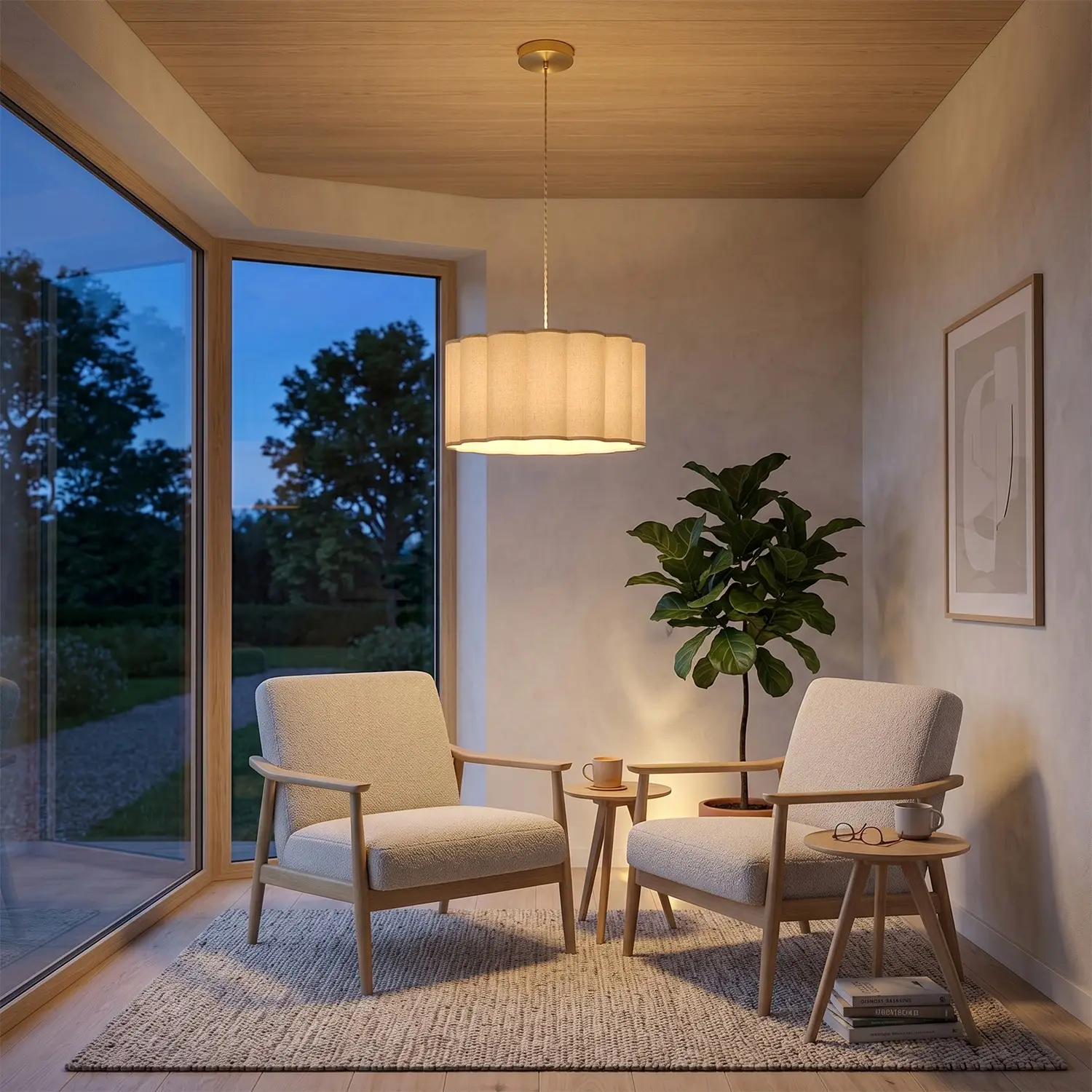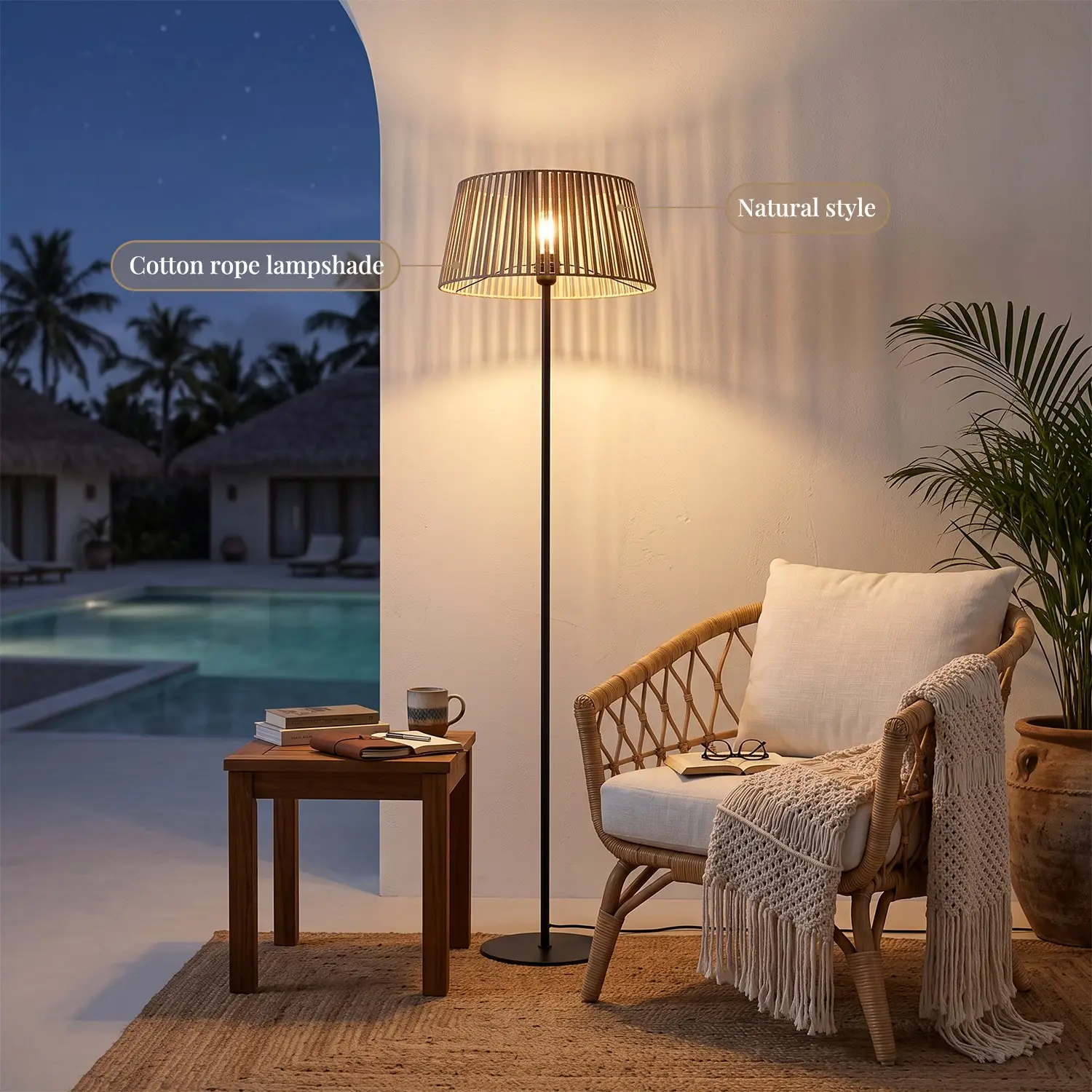
Custom hospitality fabric pendant lighting OEM procurement: Successful integration of bespoke textile lighting in hotel projects requires bridging design aesthetics with rigorous engineering. Key considerations include fire safety compliance, thermal management for LED longevity, and structural precision to maintain shape in high-traffic, climate-controlled environments.
The Engineering of Hospitality-Grade Textile Lighting
In our production line, we have observed that the primary failure point for custom fabric fixtures is structural fatigue. Unlike standard Glass Hanging Lights, which are rigid, fabric fixtures rely on high-precision tensioning frames. To prevent sagging and wrinkling, we utilize cold-rolled steel tensioning mechanisms that allow for millimetric adjustments. When specifying custom Fabric Pendant Lights, procurement teams must prioritize the frame assembly, as it dictates the long-term aesthetic integrity of the fixture in high-traffic hotel environments.
Bridging Aesthetics and Compliance: NFPA 701
Safety is non-negotiable in hospitality. All our textile range undergoes testing to meet NFPA 701 fire-retardant compliance standards. During factory audits, we verify that the treatment does not alter the hand-feel or light-transmittance properties of the fabric. It is crucial for specifiers to demand documentation of these certificates early in the design phase to avoid project delays during code inspections.
Fabric Density and Light Diffusion
Achieving uniform illumination requires an understanding of fabric weave density. For instance, our Fabric Pendant Light models demonstrate that by adjusting the GSM (grams per square meter) of the textile, we can manipulate light diffusion to eliminate hotspots. Unlike the clarity required for Glass Hanging Lights, fabric shades require balancing opacity against lumen maintenance.
Advanced Thermal Management
Fabric scorching is a significant risk with modern high-wattage LEDs. Our proprietary thermal-gapped mounting technology separates the light source from the shade interior by a minimum of 50mm, validated through internal thermal analysis reports. For example, our Fabric Pendant Lights are tested to maintain an internal fixture temperature below 65 degrees Celsius at peak operating loads, ensuring fabric longevity.
Role of Fabric Fixtures in Acoustic Dampening
In large-scale hotel lobbies, echo management is critical. While our fixtures are primarily lighting solutions, their form and material choice offer measurable acoustic dampening. By utilizing specific textile densities, we can contribute to the reduction of high-frequency noise in expansive spaces, providing a functional benefit beyond simple illumination.
Scalability Strategy: From Mock-up to Rollout
Custom design requires a defined path to mass production. We begin with a single room prototype before moving to large-scale manufacturing batches. For example, our JM30364 model, which features an E27 holder and 110-240V compatibility, serves as a benchmark for production consistency. By validating the prototype's structural frame against the original CAD, we ensure each unit delivered maintains exact tolerances.
QC Protocols: Ensuring Color Consistency
To avoid color variation across large orders, we utilize strict delta-E monitoring protocols. Every batch of fabric is checked against a master reference swatch under D65 light conditions. Our color delta-E values are maintained below 1.5, ensuring that fixtures installed in different hotel wings remain visually identical to the naked eye.
| Feature | Standard Lighting | Custom Hospitality Fabric |
|---|---|---|
| Fire Certification | Standard CE | NFPA 701 Certified |
| Thermal Control | Convection only | Thermal-gapped LED mounting |
| Structure | Rigid | Precision tensioning frames |
Need Technical Specifications for Your Project?
Download our full technical documentation, including NFPA 701 certificates and thermal analysis reports.
Request a Technical PacketFrequently Asked Questions
Q: What is the typical lead time for custom fabric textures?
A: Standard stock textiles generally have a 4-week lead time, whereas custom-engineered textures require 6-8 weeks due to fire-retardant treatment and compliance verification.
Q: How does fire-retardant fabric affect the fixture?
A: NFPA 701 compliance is a treatment process that does not negatively impact the structural integrity of the fabric when properly tensioned over our metal frames.
Q: Can custom fabric fixtures use DALI protocols?
A: Yes, all our custom fabric fixtures can be engineered to support DALI, 0-10V, and other smart dimming protocols within the fixture base housing.
Q: What is the recommended maintenance for hotel fabric lights?
A: We recommend periodic vacuuming with a soft brush attachment. Avoid liquid cleaners to prevent staining and potential damage to the flame-retardant coating.
Q: How does fabric density influence lumen output?
A: Higher weave density increases light diffusion and reduces glare, but requires higher LED lumen output to compensate for lower light transmittance.
Partner with us for your next hospitality lighting project.
Consult with our engineering team to ensure your custom lighting designs meet all technical and safety requirements.
Request a Quote & Sample Kit