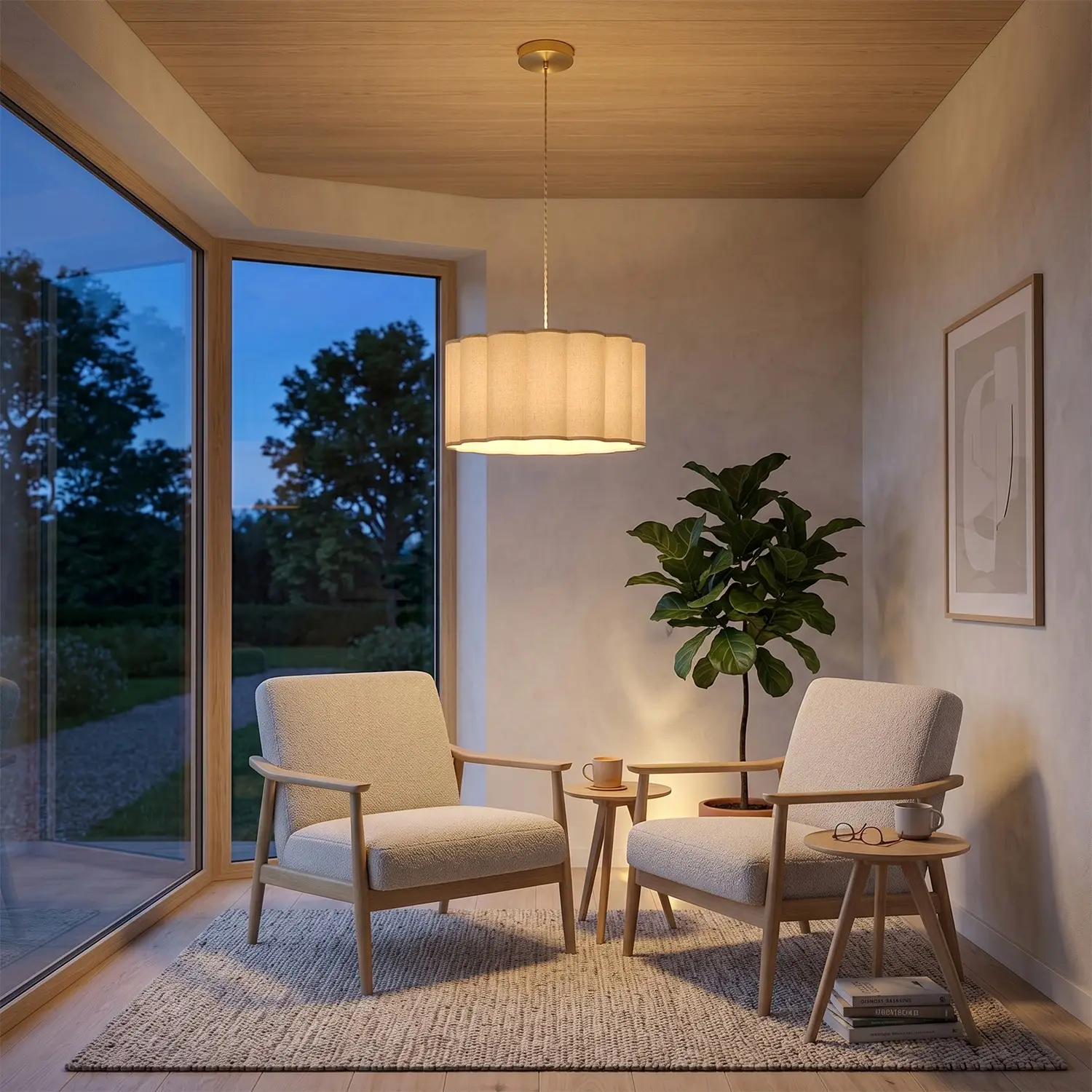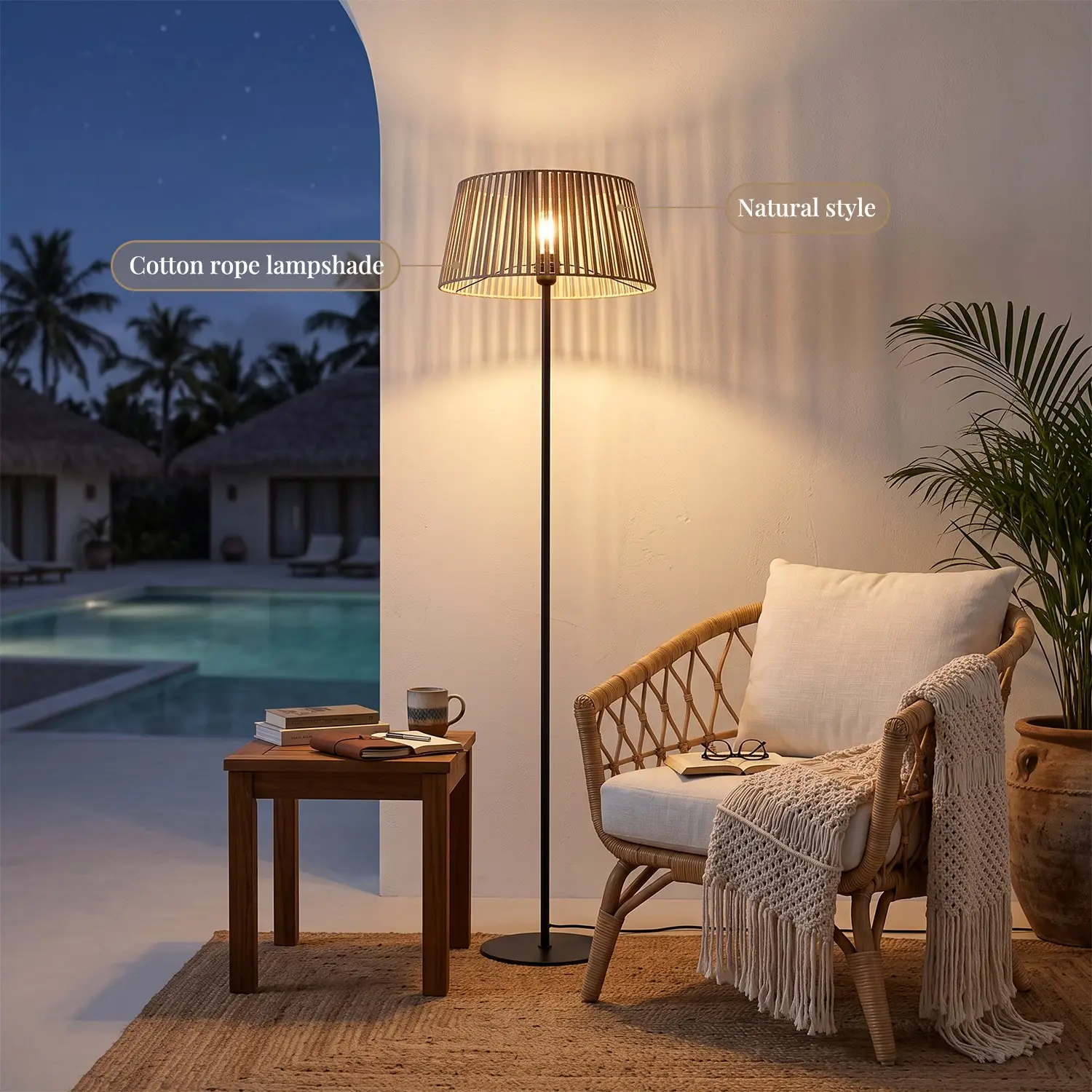
Custom rope light chandeliers for hospitality projects: Successfully integrating artistic rope aesthetics into commercial spaces requires a focus on structural metal framing, precise LED thermal management, and certified control system compatibility. For procurement managers, balancing visual design with rigorous safety standards is the key to ensuring both longevity and project compliance.
The Engineering Challenge of Bespoke Rope Lighting
In high-end hospitality, the transition from architectural concept to permanent fixture installation is often where projects face delays. Designing a Rope Chandelier requires more than artistic intent; it necessitates a deep understanding of code requirements. Many designs fail because they treat light fixtures as decorative pieces rather than electrical infrastructure. To meet global standards, including IEC 60598 for luminaire safety, manufacturers must bridge the gap between flexible organic aesthetics and rigid electrical performance.
Material Science: Balancing LED Rope Longevity and Heat Dissipation
LED rope materials generate significant thermal output, especially in large-scale configurations. Without proper thermal management, lumen degradation occurs rapidly. In our factory, we engineer heat dissipation channels within the structural skeleton. While our Glass Hanging Lights like model JM30356 (Ø30 × H100 CM) utilize convection-friendly metal housings, our custom rope fixtures rely on internal aluminum heat sinks. Maintaining an operational temperature below 65 degrees Celsius at the junction point is essential to prevent PCB failure in long-run installations.
Structural Integrity: The Role of Custom Metal Frames
Large-scale Chandeliers in lobbies carry significant dead loads. We utilize proprietary powder-coated metal frames that serve as both the aesthetic spine and the primary mounting point. For every custom geometry, we produce structural weight-load calculation reports. These reports confirm that the mounting points can support at least 4x the static weight of the fixture to comply with safety factors required by commercial building codes.
Electrical Compliance and Control System Integration
Dimming compatibility is a frequent point of failure in hospitality lighting. We ensure that our fixtures are fully compatible with DALI and 0-10V protocols. Each driver is tested for flicker-free performance across the full 1-100% range. We provide test documentation for DALI/0-10V control system compatibility, ensuring that your Hemp Rope Light projects integrate seamlessly with building management systems (BMS).
Manufacturing QC: From LED Binning to Stress Testing
Color temperature consistency is non-negotiable for architectural lighting. We use strict LED binning processes, ensuring that all LED chips fall within a 3-step MacAdam ellipse. During assembly, we conduct high-voltage (Hi-Pot) testing and stress tests on the metal-to-rope connections. For instance, model JM30351-5 undergoes rigorous testing to ensure structural alignment. Every unit ships with CE/UL/RoHS compliance certification records for the integrated commercial-grade drivers.
| Specification | Commercial Requirement | Our Standard |
|---|---|---|
| Dimming Control | DALI / 0-10V | Verified In-House |
| Safety Standards | CE / UL / RoHS | Certified Components |
| LED Color Consistency | 3-Step MacAdam | Strict Binning |
Need Technical Specs for Your Project?
Download our comprehensive structural reports and dimming compatibility data sheets.
Request Technical Spec SheetCase Study: Translating Design Schematics into Reality
Recently, we worked on a large-scale Hemp Rope Chandelier for a luxury hotel lobby. The design required a 4-meter diameter circular geometry. We provided a CAD-verified weight-load calculation to the structural engineers, ensuring the ceiling substrate could support the 150kg final weight. By utilizing factory-integrated frames, we reduced onsite installation time by 40% compared to traditional rope-weaving methods.
How to Specify Custom Rope Chandeliers
When specifying custom fixtures, provide the following to your manufacturer: 1) Reflected ceiling plans indicating structural mounting locations, 2) Preferred dimming protocol (DALI, 0-10V, or TRIAC), and 3) The required LED binning standard. Avoid vague performance descriptions and always request independent test reports for both structural and electrical components.
Conclusion and Call to Action
Successful hospitality lighting combines high-design aesthetics with rigorous mechanical and electrical engineering. By partnering with a manufacturer that prioritizes QC and compliance, you ensure that your design vision remains durable and functional for years to come. Ready to start your project?
Request a Project Quote
Contact our engineering team to discuss your custom specifications today.
Request Project QuoteFrequently Asked Questions
Q: What are the load-bearing requirements for large-scale rope light chandelier installations?
A: Installations must comply with local architectural codes, typically requiring that the structural mounting system supports at least 4x the total weight of the fixture to ensure a safety factor against seismic or dynamic movement.
Q: How do flexible rope light materials affect lumen output and light diffusion?
A: Flexible materials can impact uniformity if not properly heat-managed. We use internal heat dissipation channels and high-quality diffusers to ensure consistent light output and color temperature across long-run fixtures.
Q: Can custom rope light designs meet specific UL or IEC safety standards?
A: Yes, by using certified commercial-grade drivers and rigorous internal testing processes, we ensure all finished fixtures meet CE, UL, and RoHS standards for public commercial spaces.
Q: What is the expected maintenance lifecycle for integrated LED rope light fixtures?
A: With proper thermal management and high-quality LED binning, commercial LED rope fixtures typically maintain 80% lumen output for over 50,000 hours of operation, depending on the environment.
Q: How does internal frame structural design impact weight and mounting feasibility?
A: An integrated metal frame allows for modular assembly, significantly reducing weight compared to solid-cast structures while providing a rigid, secure mounting interface for ceiling suspension.