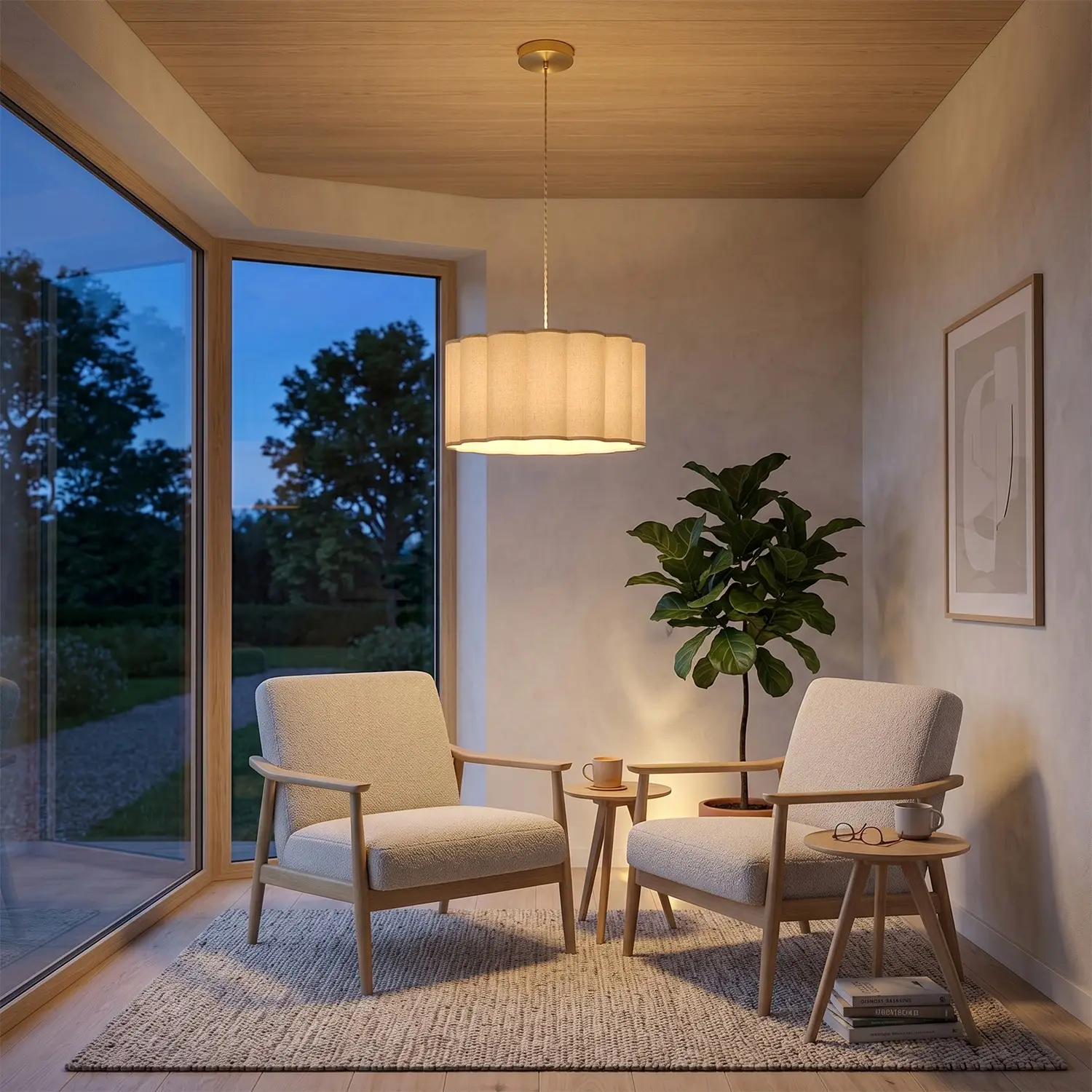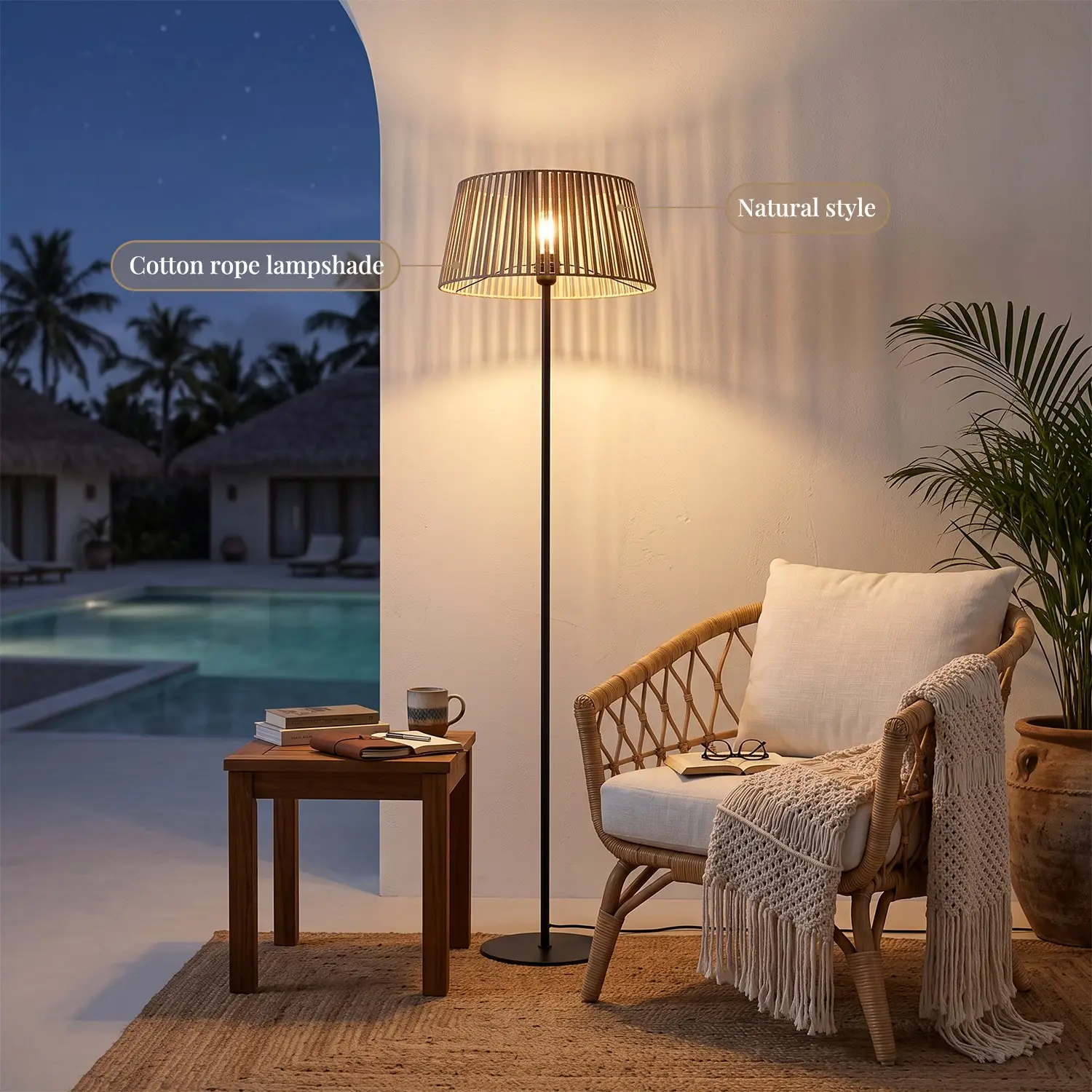
Commercial grade acoustic fabric pendant lighting: Selecting high-performance luminaires for corporate lobbies requires balancing aesthetic scale with stringent fire safety, acoustic standards, and structural load compliance. Facility managers must prioritize modular engineering and certified thermal management to ensure longevity and uniform light diffusion in high-traffic, expansive atrium environments.
The Commercial Challenge: Balancing Aesthetics with Regulatory Compliance
In Tier-1 corporate office developments, the lobby serves as the primary touchpoint for brand identity. Large-scale Fabric Pendant Lights are often specified to anchor these spaces. However, the transition from boutique decorative lighting to commercial-scale installations introduces significant risk regarding fire safety and ceiling load limits. Unlike residential projects, corporate environments require adherence to rigorous building codes, such as the UL 2108 standard for low-voltage lighting systems, ensuring that fixtures withstand 24/7 operation and contribute to a safe fire-exit strategy.
Material Science: Decorative vs. Commercial Acoustic Fabrics
Procurement officers must distinguish between aesthetic residential linen—such as our Model JM30364, which is intended for controlled environments—and true commercial-grade acoustic fabric. Commercial spaces mandate materials compliant with ASTM E84 surface burning characteristics. While a standard linen pendant might offer a specific visual warmth, it lacks the Class A fire-rated structural backbone required for public access lobbies. Our production process involves testing fabrics for transmittance consistency, ensuring that the light diffusion remains uniform across the entire surface of large-diameter fixtures.
Engineering for Scale: Modular Design and Structural Integrity
Transporting and installing single-piece fixtures exceeding 1.5 meters is a logistical challenge that can increase on-site labor costs exponentially. We utilize modular frame engineering, which allows for flat-pack shipping and simplified on-site assembly. For example, our structural reinforcement protocols for fixtures over 1.5m diameter include internal tension-cable support, ensuring that the fixture maintains its geometry despite the weight of high-output LED arrays. This approach directly reduces the tensile stress on lobby ceiling anchor points.
Light Diffusion and Wayfinding
The texture of the fabric acts as a filter, drastically affecting the lumen output. In corporate lobbies, wayfinding relies on high-contrast lighting; therefore, we test every batch of fabric to maintain a specific light transmittance index. By controlling the density of the fabric weave, we prevent "hot spots" where the LED source might otherwise be visible. This creates a soft, ambient glow that illuminates signage and architectural features without causing glare, a common issue with improper Glass Hanging Lights in high-ceiling voids.
Thermal Management for LED Longevity
Enclosed fabric housings are notorious for trapping heat, which can lead to rapid driver failure. We implement an integrated thermal management system that utilizes passive convection channels within the frame structure. Every high-output commercial LED driver included in our assemblies holds CE and UL certifications, ensuring it can operate within a temperature-controlled housing for over 50,000 hours. Unlike residential units, these drivers are selected for their low EMI interference and reliability in large-scale building management systems.
Quality Control for Multi-Unit Installations
Uniformity is the hallmark of professional procurement. During our production cycles, we employ proprietary QC protocols to measure color variance (Delta E) and texture uniformity. If you are ordering 20 units for a corporate atrium, the 20th unit will match the first. This is monitored via automated chromaticity sensors, a standard we apply to all our industrial product runs, including items like our Modern Kitchen Glass Pendant Light (JM30356), ensuring the same manufacturing rigor is applied to our acoustic fabric line.
| Feature | Commercial Grade | Residential Grade |
|---|---|---|
| Fire Rating | ASTM/EN Certified | Not Standardized |
| Maintenance | Modular / Accessible | Sealed / Hard to Repair |
| Thermal Control | Ventilated Housing | Passive / Sealed |
Need Technical Specifications for Your Project?
Download our full technical spec sheet and request a custom quote for your lobby requirements.
Download Spec SheetFrequently Asked Questions
Q: What fire-retardant fabric ratings are required for commercial lobby installations?
A: Most commercial building codes require fabric components in public spaces to meet Class A ratings, typically verified via ASTM E84 or equivalent EN standards to ensure flame spread and smoke development limits.
Q: How do you maintain large-scale fabric pendant fixtures in high-traffic corporate lobbies?
A: Our modular frame design allows for the removal of the fabric skin without needing to dismantle the entire structural assembly, enabling professional cleaners to maintain the fabric or address internal driver components.
Q: What are the structural mounting requirements for oversized fabric fixtures in atrium spaces?
A: Oversized fixtures require specialized mounting systems that distribute weight across multiple structural points in the ceiling plenum to comply with building seismic and load-bearing requirements.
Q: How does fabric density affect light diffusion and glare control in office environments?
A: Fabric density acts as a primary optical diffuser. Higher density fabrics provide better light uniformity and reduced glare but lower total lumen throughput, necessitating a calculated light engine output to maintain required foot-candles.
Q: Are these fixtures compatible with DALI or 0-10V building management lighting control systems?
A: Yes, our commercial LED drivers are specified to be compatible with standard DALI and 0-10V dimming protocols used in modern building management and automation systems.