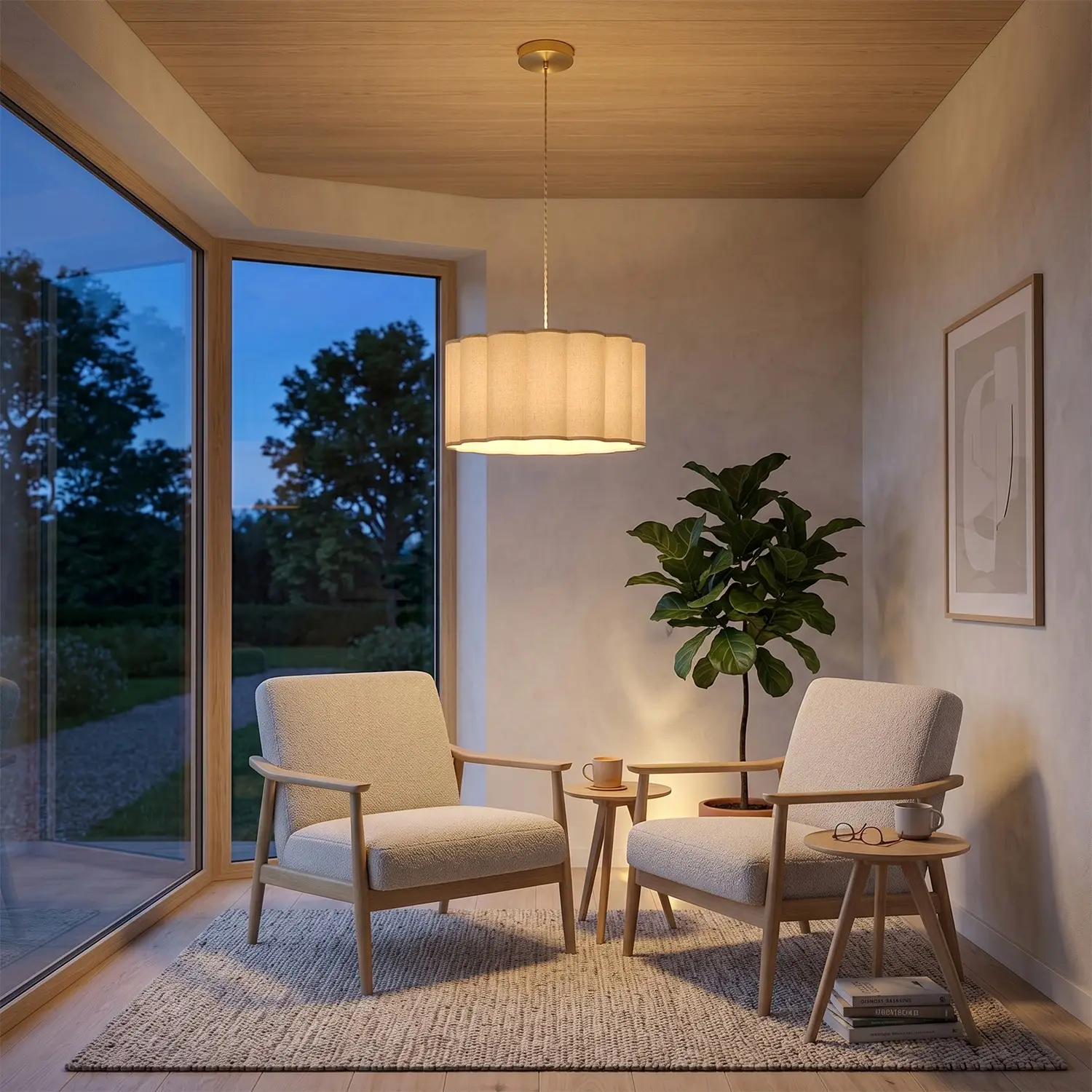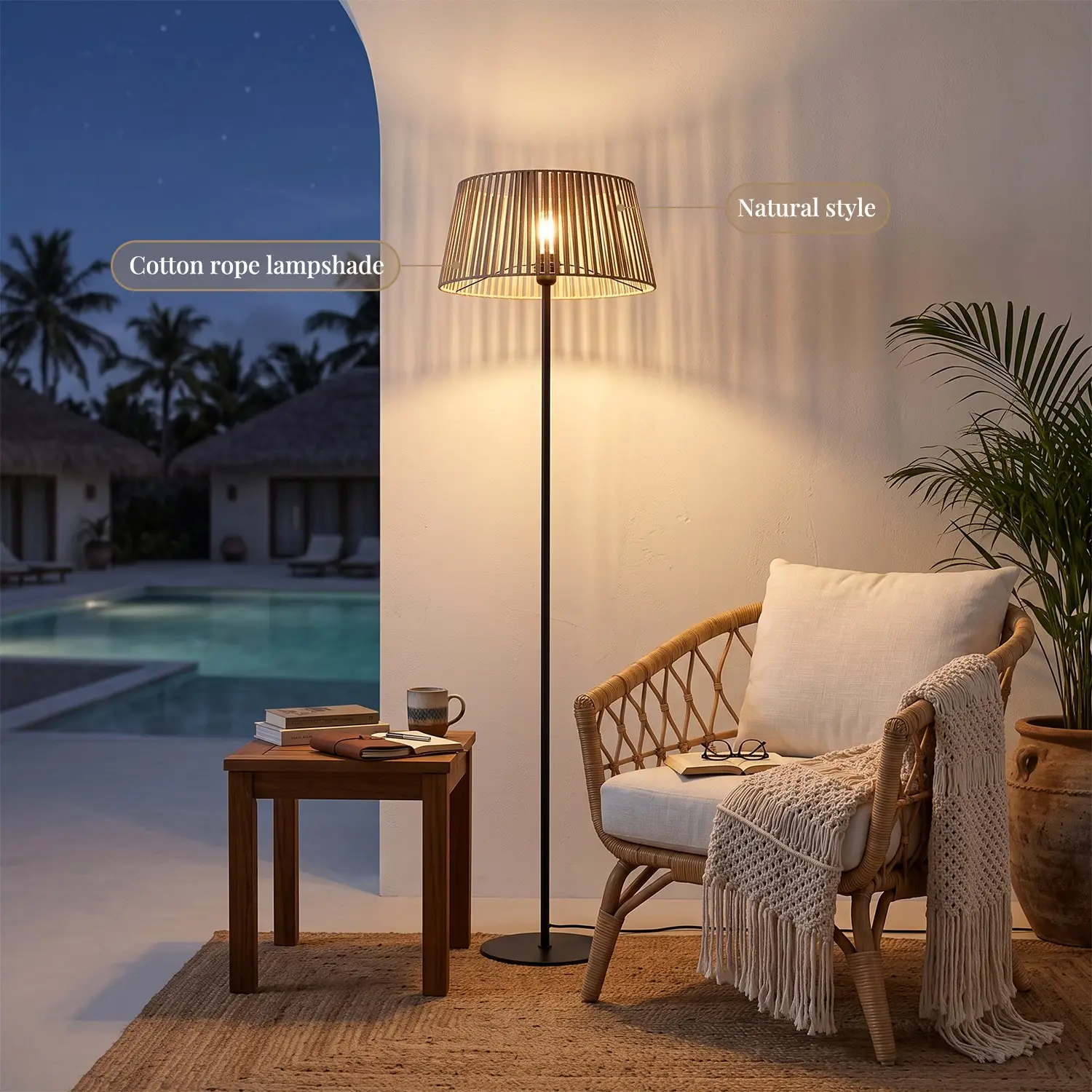
Hemp rope light fixture OEM supply: Successfully deploying organic lighting in commercial spaces requires balancing raw aesthetic appeal with rigorous safety certifications. By integrating specialized flame-retardant treatments and thermal-dissipating housing, manufacturers provide compliant, architectural-grade solutions that meet international building code requirements for large-scale hospitality and retail projects.
The B2B Challenge: Balancing Natural Aesthetics with Commercial Safety Codes
Procuring Hemp Rope Light fixtures for high-traffic commercial environments creates a unique conflict. Designers demand the organic texture of natural fibers, yet building inspectors mandate adherence to strict fire-safety regulations such as the NFPA 701 standard for textiles and hanging materials. Our factory approach addresses this by treating the rope not as a structural housing, but as a decorative sleeve over a Pendant Lights core, ensuring the underlying electrical components maintain full IEC 60598 compliance for luminaires.
Engineering Safety: How We Integrate LED Thermal Dissipation into Hemp Structures
Hemp is a natural insulator, which poses a significant risk to LED longevity if heat isn't managed. In our production line, we utilize engineered heat-sinks that isolate the LED junction temperature from the rope material. For example, in our Fabric Pendant Lights configurations, we ensure that junction temperatures never exceed 65 degrees Celsius during continuous operation. By benchmarking against models like our JM30364, which features a standard E27 lamp holder, we ensure that even with heavy-gauge natural fibers, the thermal dissipation pathway remains clear, preventing premature material degradation or safety hazards.
The Flame Retardancy Process: Protecting Hemp Fibers Without Compromising Texture
To meet safety standards without sacrificing the rustic aesthetic, we apply a proprietary non-toxic, water-based flame retardant. Our factory audit process includes testing random batches of finished rope against the NFPA 701 test criteria. We provide a Certificate of Analysis (COA) for every production run, verifying that the chemical application does not introduce harmful VOCs or alter the fiber's tensile strength. This ensures that the natural, tactile quality of the Hemp Rope Hanging Light remains consistent with architectural design specifications.
Navigating the OEM Supply Cycle: From Material Sourcing to Final Certification
Bespoke architectural projects often require custom electrical kits. When we integrate CE-certified components into non-traditional housing, the procurement cycle involves a validation phase. Our lead-time Gantt charts generally account for a 2-week period specifically for third-party compliance testing on custom enclosures. By contrast, a standard Glass Hanging Lights fixture like the JM30356 (Ø30 × H100 CM) can move directly to assembly because its materials have pre-existing UL/ETL certifications. Managing expectations regarding these lead-time variances is crucial for project managers overseeing multi-phase renovations.
Strategic Sourcing: Defining MOQs and Customization Requirements for Large-Scale Projects
For custom Hemp Rope Chandelier orders, we typically operate on a minimum order quantity (MOQ) of 100 units to justify the custom tooling required for integrating internal structural frames. This scale allows us to provide full supply chain traceability for the natural fibers used. We document the raw material source to verify it meets international sourcing compliance, effectively mitigating risks related to inconsistent fiber quality which can plague non-industrial supply chains.
| Feature | Standard Hemp Fixture | Our OEM Custom Solution |
|---|---|---|
| Fire Safety | Untested/Unknown | NFPA 701 Verified |
| Heat Management | Passive Airflow | Engineered Heat-Sink |
| Certification | None | CE Certified / UL Ready |
| Traceability | Limited | 100% Raw Fiber Source |
Request Technical Spec Sheet & Compliance Documentation
Secure your project's compliance with our verified flame-retardant data and thermal test reports.
Download Spec SheetProcurement Checklist: What Project Managers Need to Request from Suppliers
When vetting vendors for a hemp rope lighting project, always request the following: 1) A copy of the COA for the flame-retardant treatment. 2) Thermal testing data showing the temperature of the rope surface at the LED focal point. 3) A clear statement of electrical standard adherence (e.g., CE, UL, or ETL). 4) Verification of fiber sourcing, ensuring it meets your regional environmental compliance goals.
Frequently Asked Questions
Q: How does the fire-retardant treatment affect the rope texture?
A: Our proprietary treatment process is designed to penetrate the fibers without leaving a sticky or glossy residue, maintaining the natural organic look essential for hospitality design.
Q: Can these fixtures be used in damp locations?
A: While natural hemp is generally intended for dry interiors, our OEM designs can incorporate moisture-resistant seals if the fixture is intended for a controlled damp environment, though we recommend reviewing our IP-rating documentation first.
Q: What is the typical lead time for custom hemp fixtures?
A: Custom designs typically require 4-6 weeks for production and internal testing, depending on the complexity of the electrical integration and the status of our raw material inventory.
Q: Do these fixtures meet UL/ETL requirements?
A: We design our fixtures to be UL/ETL ready, meaning they utilize certified electrical kits and proper thermal management to pass the final field inspection by local authorities.
Q: Can you customize the length and diameter of the rope?
A: Yes, as an OEM manufacturer, we can adjust rope diameter and hanging length to meet specific architectural requirements, provided the dimensions maintain the required internal space for heat dissipation.
Ready to start your project?
Contact our engineering team to discuss your custom hemp lighting requirements and manufacturing lead times.
Request a Quote