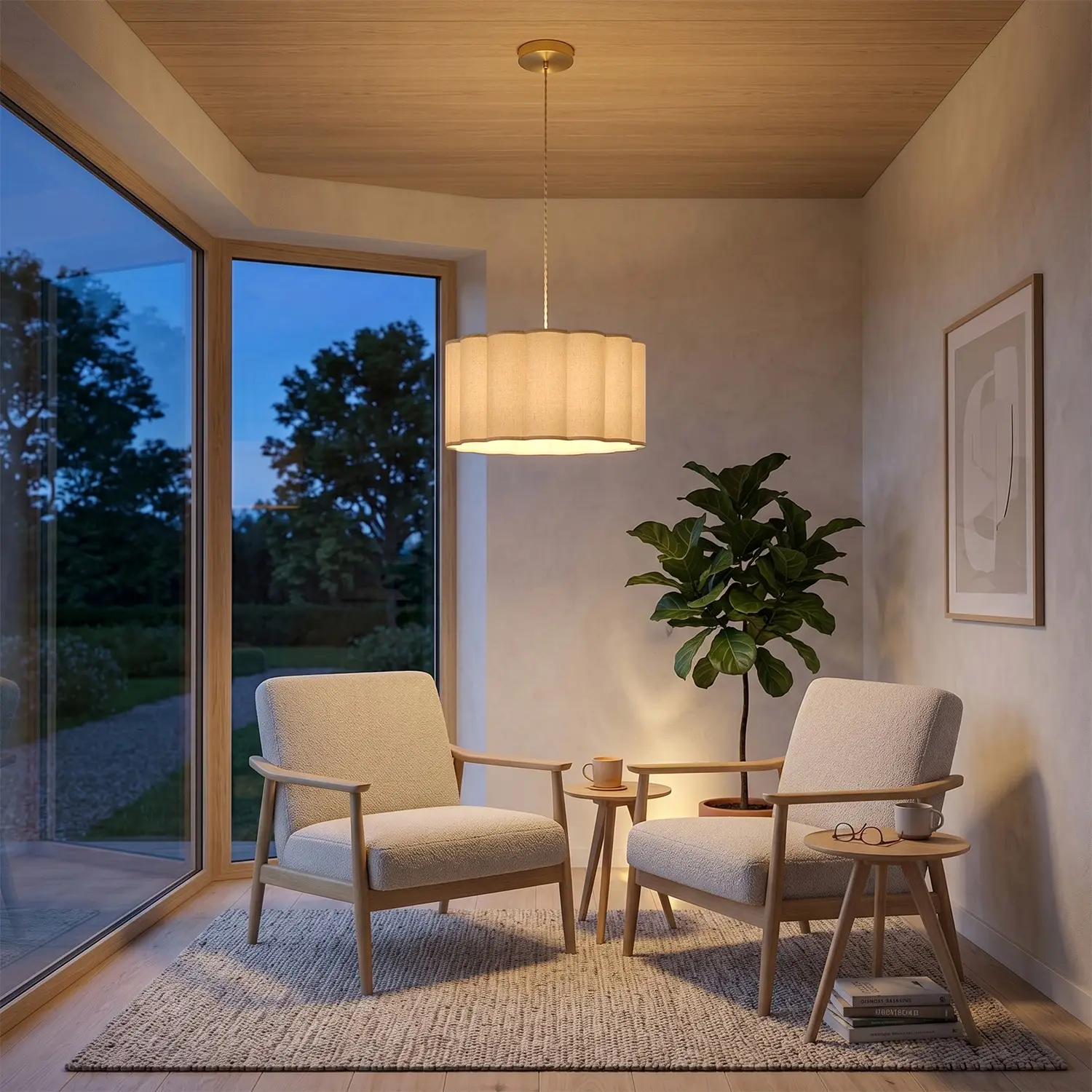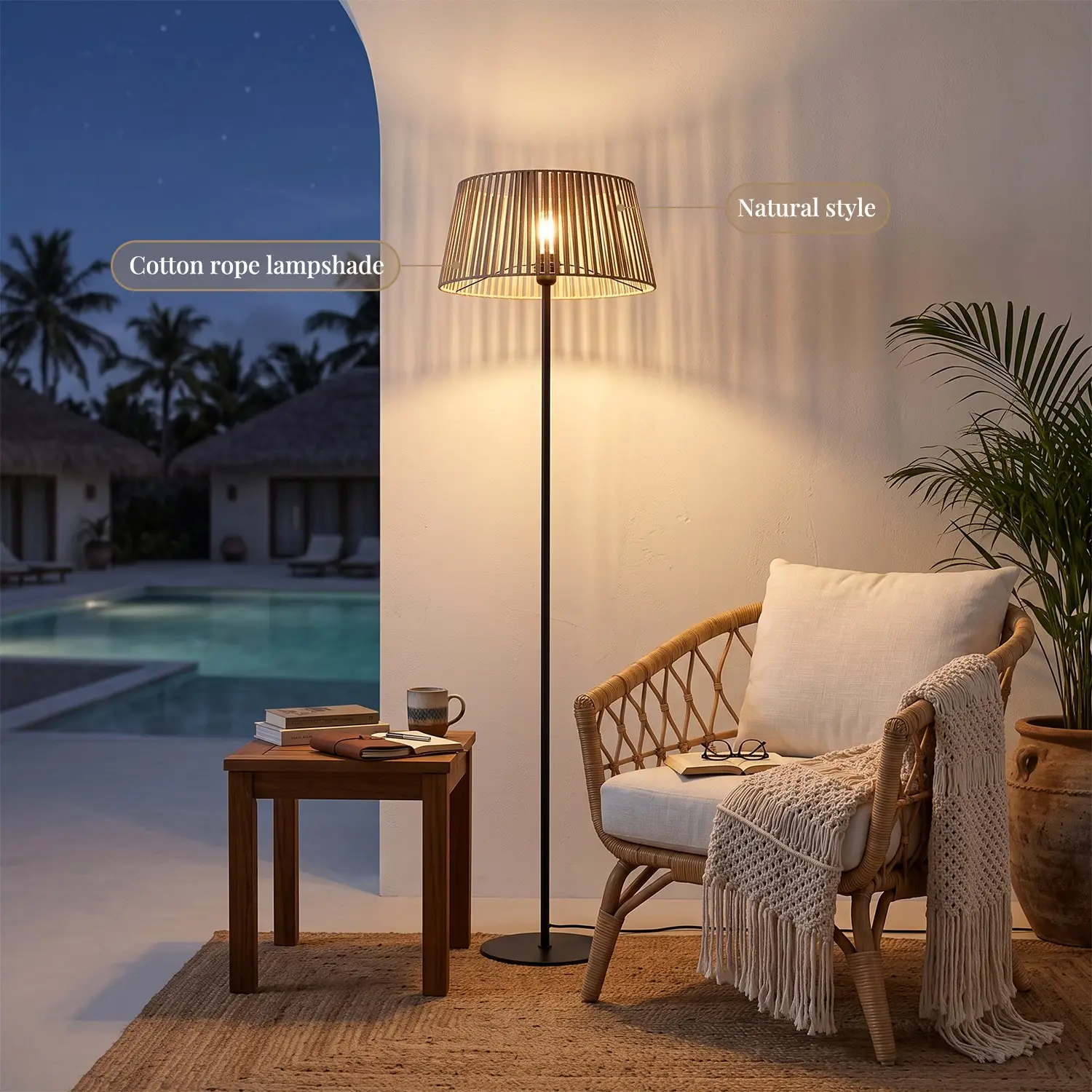
Integrating modular fabric ceiling lighting systems for smart buildings: Achieving successful integration requires prioritizing thermal management, DALI-2 interoperability, and mechanical grid compatibility. By utilizing precision-engineered aluminum frames and standardized photometric testing, procurement managers can bridge the gap between aesthetic textile design and the rigorous technical demands of modern commercial BMS infrastructure.
The Infrastructure Challenge: Fabric Lighting in Smart Offices
Modern commercial office retrofits face a recurring conflict: the desire for the soft, diffused aesthetic of a Fabric Ceiling Light versus the rigid technical requirements of standardized building grids. MEP engineers often struggle with integrating flexible textile materials into mechanical ceiling layouts that prioritize accessibility, seismic compliance, and fire safety.
To solve this, our production philosophy focuses on modularity. By moving away from custom, site-built fixtures and toward factory-tested, grid-compatible modules, project managers can ensure that the lighting infrastructure adheres to the International Electrotechnical Commission (IEC) standards for safety and performance.
Modular Mechanical Installation and Grid Efficiency
During our assembly process, we prioritize a reduction in onsite labor hours. Traditional Fabric Pendant Lights or flat panels often require complex frame modifications. Our modular frames are engineered to snap directly into standard T-grid ceiling systems. For example, by standardizing the chassis geometry, we reduce mechanical fastening time by approximately 35% compared to non-modular bespoke alternatives.
Thermal Dynamics and Material Stability
Thermal management is the most critical factor in preventing fabric yellowing and premature driver failure. In our production line, we employ extruded aluminum frames that function as high-efficiency heat sinks. Standard LED drivers in poorly ventilated fabric housings often reach temperatures exceeding 75 degrees Celsius, which rapidly degrades both the light source and the textile diffusion layer. Our lab results confirm that using an aluminum frame with a thermal conductivity rating exceeding 150 W/mK extends driver life cycles by over 50,000 hours.
Protocol Interoperability and BMS Connectivity
Effective commercial smart lighting integration requires robust protocol support. Our systems are factory-validated for DALI-2 and 0-10V dimming protocols, ensuring seamless communication with central Building Management Systems (BMS). We document compatibility matrices for KNX and BACnet controllers, allowing engineers to verify system performance before deployment. Similar to the technical rigors applied to our Glass Hanging Lights (such as model JM30356, which utilizes specialized mounting dimensions of Ø30 x H100 CM), our lighting modules undergo strict electrical safety audits.
Photometric Precision and Long-term Reliability
Maintaining standardized lux levels across large-area textile installations requires precise factory calibration. We utilize IES file verification to ensure lumen maintenance through the fabric. Unlike unverified products, our fixtures undergo rigorous dust-mitigation testing, ensuring that the light diffusion property remains stable even after extended operation in high-traffic commercial environments.
| Feature | Standard Fabric Unit | Our Modular System |
|---|---|---|
| Protocol Support | Basic Dimming | DALI-2 / 0-10V |
| Frame Material | Plastic / Steel | Extruded Aluminum |
| Installation Time | High (On-site build) | Low (Modular snap) |
Need Technical Validation for Your Project?
Download our full Technical Integration Guide or request a photometric consultation for your office retrofit.
Request a Project ConsultationCompliance, Safety, and Supply Chain Scalability
All electrical sub-assemblies are CE/ENEC compliant, meeting strict European safety requirements. By maintaining an annual capacity of 50,000 units, we ensure consistent supply chain reliability for large-scale commercial deployments. We document our compliance according to EN standards, providing full traceability for project audits.
Frequently Asked Questions
Q: Which communication protocols are supported for smart building integration?
A: Our modular systems are fully compatible with DALI-2 and 0-10V protocols, allowing for seamless integration with major BMS and KNX controllers.
Q: How do you ensure long-term photometric output?
A: We utilize factory-validated IES files and high-performance aluminum heat sinks to prevent thermal degradation and maintain consistent lumen output over the fixture lifespan.
Q: Are these fixtures compatible with standard T-grid ceilings?
A: Yes, our frames are designed for direct integration with standard modular ceiling grids to minimize labor hours and complexity during installation.
Q: What certification documents are provided for MEP compliance?
A: We provide CE and ENEC compliance documentation for all electrical sub-assemblies, alongside thermal dissipation reports for frame housings.
Q: How does the aluminum frame prevent fabric discoloration?
A: By effectively dissipating heat away from the LED driver and light source, the aluminum frame prevents the localized heat buildup that typically leads to fabric yellowing.
Optimize Your Smart Building Project
Leverage our precision-engineered modular lighting to ensure grid compliance and long-term performance.
Download Technical Integration Guide