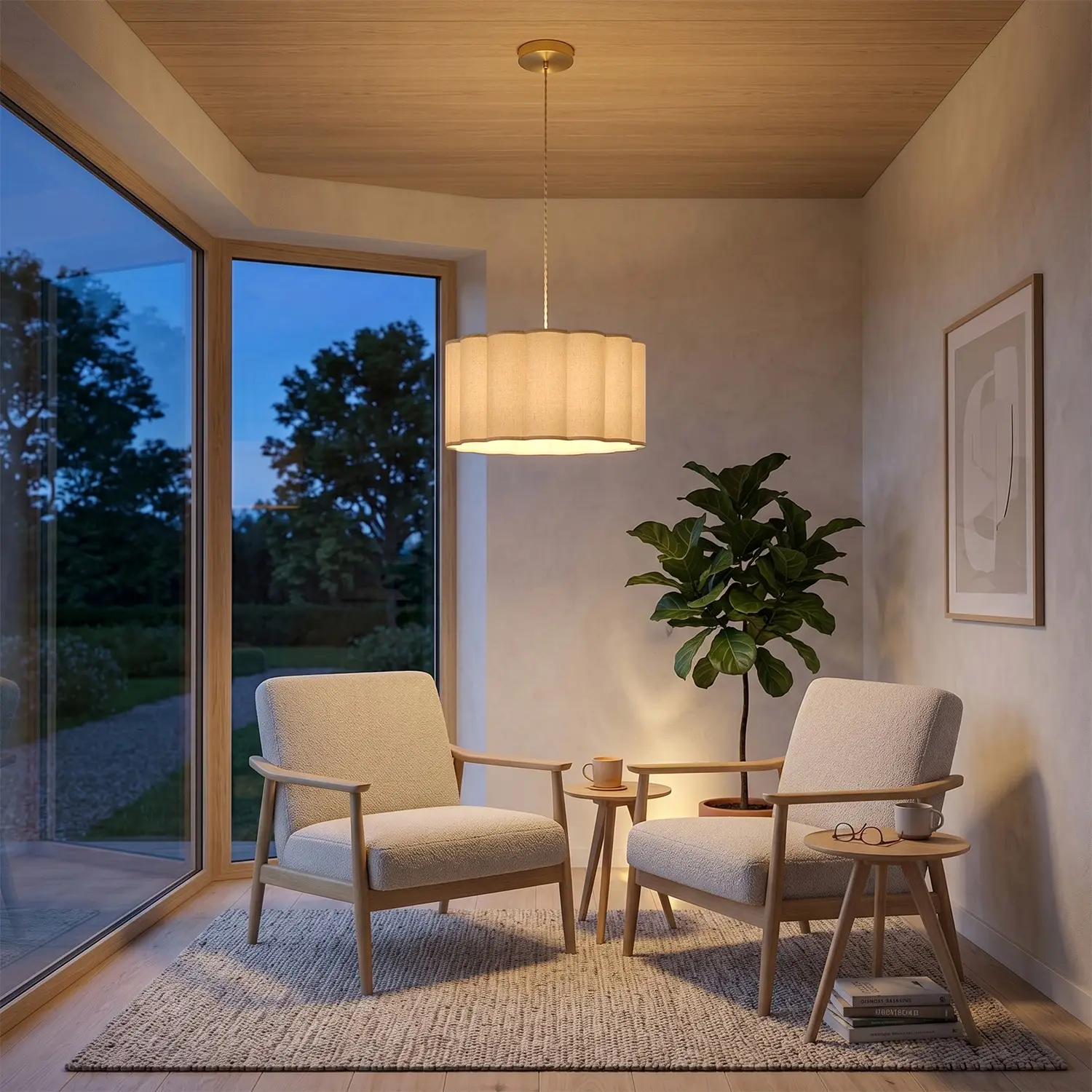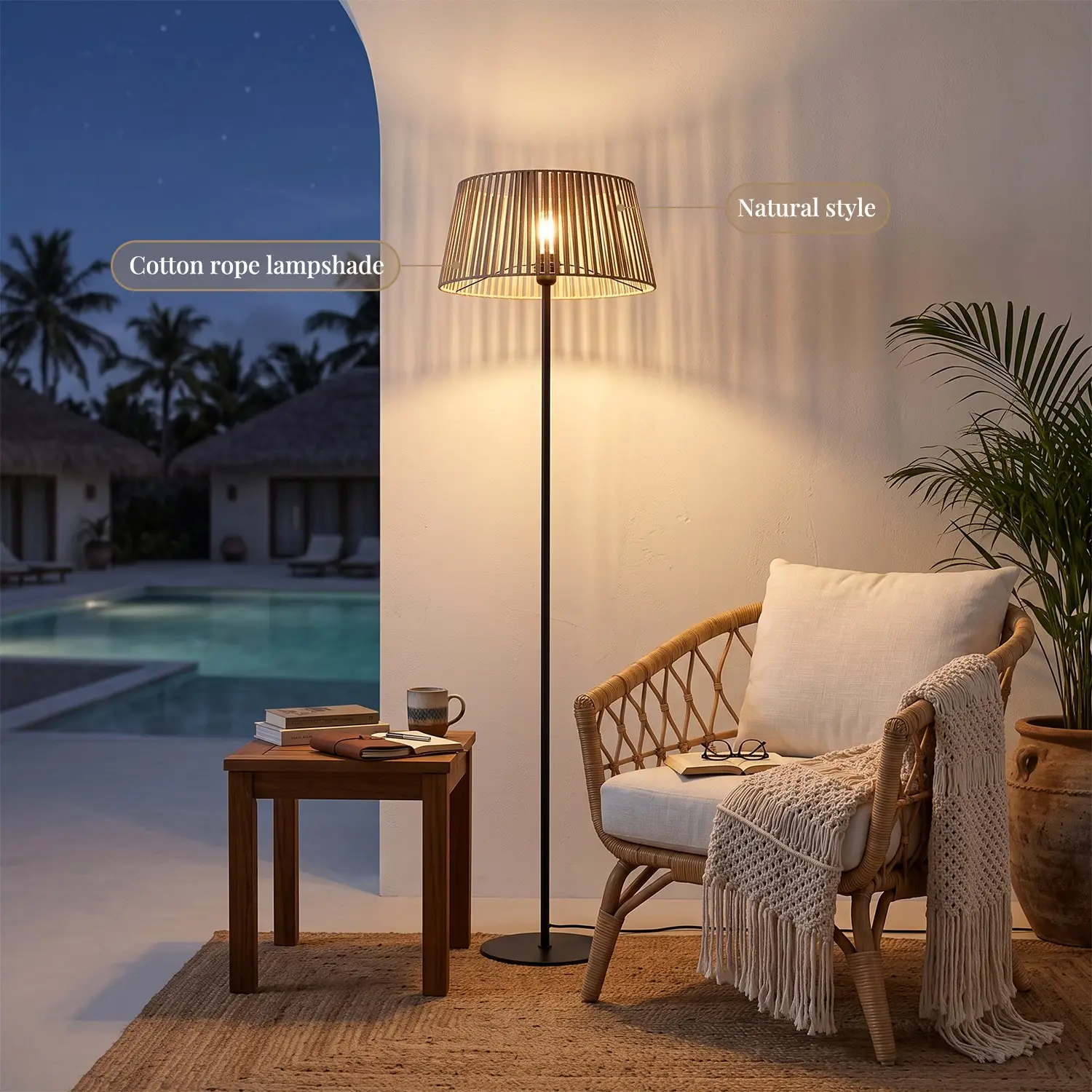
Rope light chandelier specification guide: Procuring high-performance architectural lighting requires strict adherence to thermal management standards, IP-rated junction integrity, and UL 2108 low-voltage compliance. This guide provides B2B engineers with the technical benchmarks necessary to verify long-term operational reliability in commercial interior fit-outs.
Why Specification Matters in Commercial Rope Lighting
In high-ceiling commercial environments, maintenance access is a significant operational cost. Procurement managers must shift focus from initial capital expenditure to long-term operational integrity. When selecting a Rope Chandelier, the failure to verify technical specs often results in voltage drop issues, yellowing of the casing, and premature diode death. Our manufacturing process ensures that every Chandeliers assembly meets strict QC checkpoints, including automated LED pitch verification to ensure uniform light output across long runs.
Material Science: Silicone vs. PVC Encapsulation
For commercial-grade fixtures, encapsulation material is the primary determinant of fixture lifespan. During factory audits, we have observed that PVC degrades under high-ambient-temperature conditions, leading to brittleness and color shift. Conversely, our high-grade optical silicone offers superior UV stability and thermal resilience. Our comparative internal thermal imaging tests demonstrate that silicone-encapsulated LEDs maintain a junction temperature 15% lower than PVC equivalents when operated under identical load, directly contributing to extended lumen maintenance.
Engineering Electrical Integrity
Large-scale installations often suffer from voltage drop, where the end of the rope run appears significantly dimmer than the start. For professional fit-outs, engineers must size power supplies to account for total wattage plus a 20% buffer. Our Glass Hanging Lights, such as model JM30356, utilize advanced internal wiring pathways to ensure electrical consistency. When calculating runs, utilize DALI or 0-10V dimming protocols to maintain precise current control, preventing driver flicker in high-performance lighting environments.
Thermal Management Strategy
Heat dissipation is the silent killer of commercial LED fixtures. In our production line, we integrate high-conductivity substrate materials to draw heat away from the diode junction. For instance, model JM30351-5 leverages metal components to assist in thermal dispersion. We perform standard testing in high-ambient environments (up to 50 degrees Celsius) to validate that the LED pitch—the spacing between individual diodes—remains consistent without thermal runaway.
Connector Durability and Ingress Protection
Ingress protection (IP) is critical for junction longevity. We test our junctions to IEC standards for ingress resistance. During accelerated aging tests, we subject our IP67-rated connectors to sustained high-humidity conditions to ensure the seal integrity holds against moisture migration. For custom assemblies, always specify factory-molded connectors rather than field-cut alternatives to maintain the IP rating throughout the service life of the fixture.
Compliance Protocols
Acceptance by MEP engineers hinges on regulatory documentation. Our manufacturing adheres to UL 2108 safety standards for low-voltage lighting systems. This certification process involves rigorous testing for fire retardancy, electrical isolation, and strain relief performance. Providing these documents upfront is essential for passing local safety inspections in hospitality and retail tenders.
Verification Data
B2B buyers should request IES photometric data reports confirming L70, L80, or L90 lumen maintenance values over a 50,000-hour lifecycle. Our internal laboratory testing validates these performance metrics, ensuring that our products meet the technical requirements for high-output architectural projects. Reference model JM30364 for examples of technical specification layouts used in our procurement packages.
| Feature | Standard PVC | Professional Silicone |
|---|---|---|
| Thermal Conductivity | Low | High |
| UV Resistance | Moderate | Excellent |
| Lumen Maintenance | 30,000 hrs | 50,000+ hrs |
Need Technical Data for Your Project?
Request our full compliance reports and photometric data sheets for your upcoming commercial tender.
Request Technical Spec SheetChecklist for Large-Scale Tenders
Ensure your project documentation includes: 1) UL 2108 compliance certificates, 2) Thermal imaging reports, 3) 50,000-hour photometric maintenance projections, and 4) IP-rating validation. Using these data points will safeguard against maintenance liabilities and ensure the long-term operational success of your Hemp Rope Light or high-output LED installations.
Frequently Asked Questions
Q: What are the specific thermal management requirements for rope light integrated fixtures?
A: Fixtures should be engineered with high-thermal-conductivity materials to keep junction temperatures within the limits defined by LED manufacturers, typically verified by thermal imaging under load.
Q: How do custom length specifications impact electrical load and voltage drop calculations?
A: Longer runs increase resistance, which creates voltage drops. We recommend calculating power drops every 5-10 meters and utilizing parallel power feed layouts to maintain consistent brightness.
Q: Which ingress protection (IP) ratings are standard for indoor versus outdoor rope light chandeliers?
A: Indoor fixtures typically require IP44 for dust and splash protection, whereas outdoor or high-humidity interior environments require IP67 or higher to ensure long-term junction integrity.
Q: Are there specific fire retardant ratings for rope casing materials in commercial hospitality installations?
A: Yes, materials should ideally meet UL94 V-0 flame retardancy ratings to ensure safety in public commercial spaces.
Q: How do dimming compatibility protocols (TRIAC vs. 0-10V) affect the driver selection for these fixtures?
A: Driver selection must match the controller protocol. 0-10V is standard for commercial environments due to its stable dimming performance and lower noise compared to TRIAC systems.
Evaluate Technical Performance
Compare our full range of professional lighting fixtures and download technical certifications for your procurement team.
Compare Models