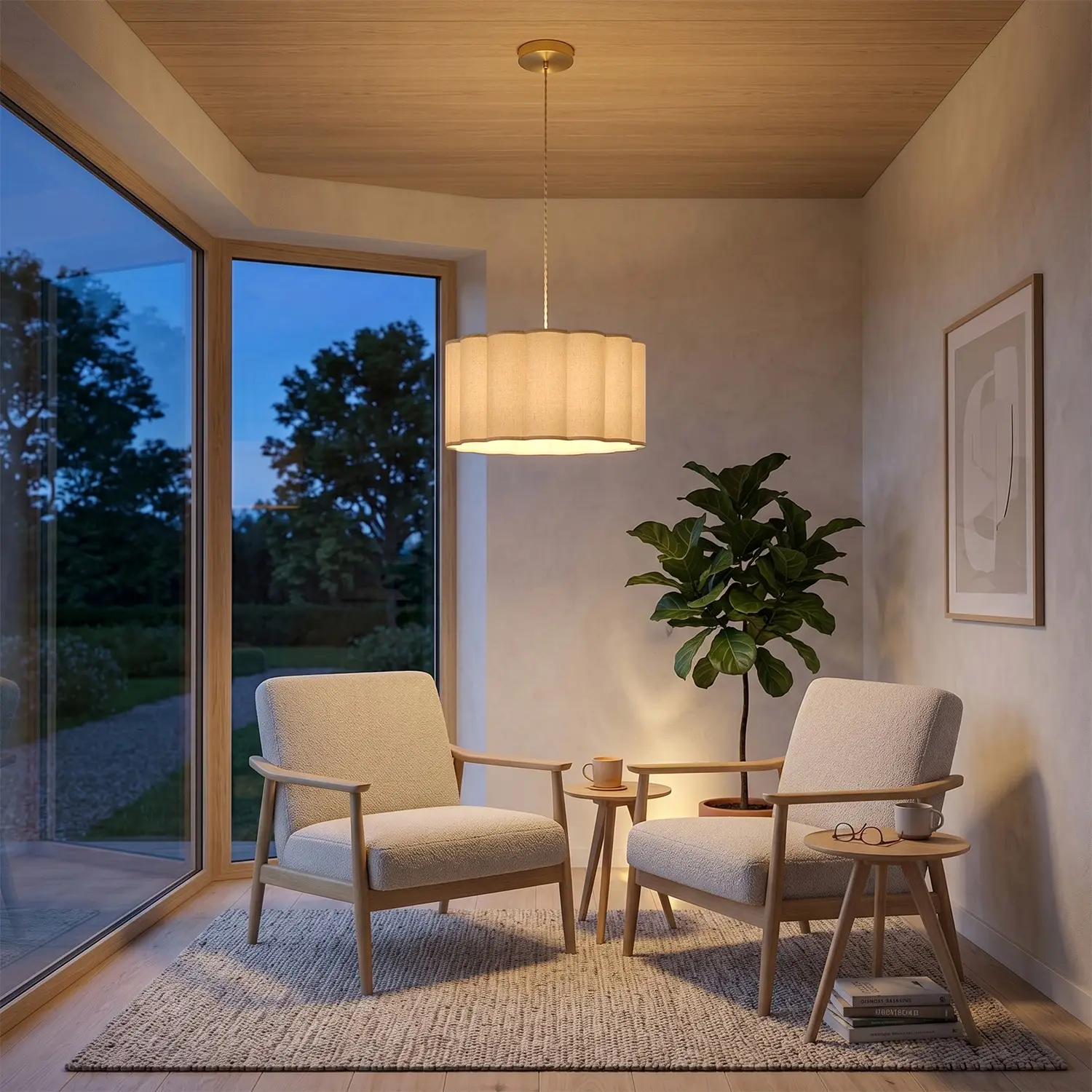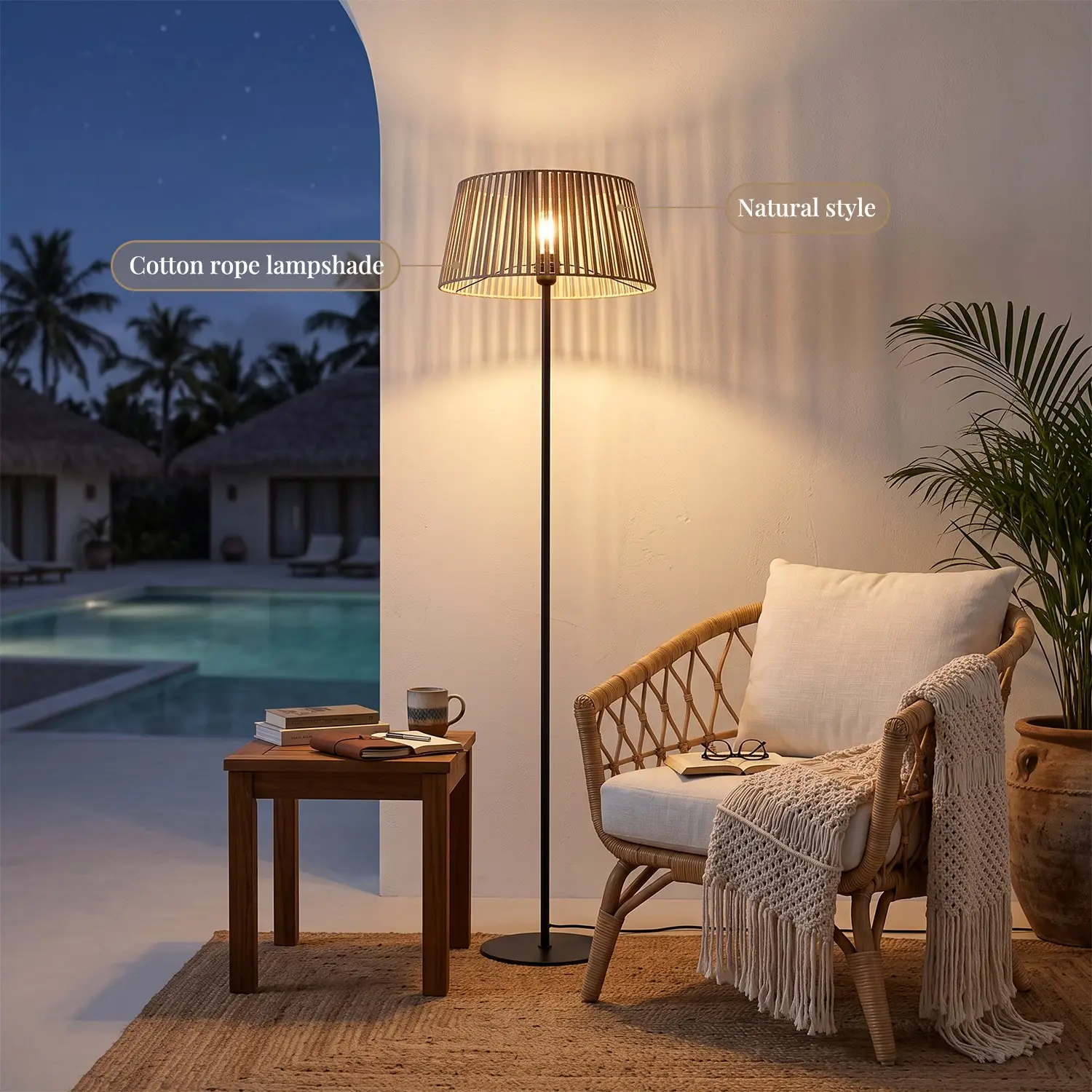
Rope light pendant wholesale procurement guide: Successfully sourcing high-performance rope pendants requires rigorous vetting of extrusion molding precision, thermal management protocols, and batch-consistency reporting. This guide outlines the essential technical benchmarks for procurement managers tasked with large-scale architectural lighting deployments to ensure long-term structural and electrical reliability.
The Anatomy of a Reliable Rope Pendant: Structural Standards vs. Retail Grade
In the commercial sector, the distinction between retail-grade fixtures and professional-grade Hemp Rope Light often lies in the housing extrusion process. Our manufacturing facility utilizes proprietary extrusion molding for rope housing, which eliminates internal voids that lead to premature light degradation. Unlike standard retail options, our production lines prioritize structural integrity through high-density material bonding, ensuring zero-kink curvature. For instance, while our Glass Hanging Lights like model JM30356 (Ø30 × H100 CM) focus on rigid aesthetics, our custom rope pendants are engineered to maintain a specific tension profile that resists deformation under continuous gravity loads in high-ceiling hospitality environments.
Engineering for Scale: Calculating Bending Radius and Installation Flexibility
Architects and installers require precise bending radius data to integrate lighting into complex interior designs. During factory stress testing, we evaluate the cord tension capacity of our rope housings to ensure they support the weight of the integrated LED strips without compromising the internal electrical connections. By providing defined bending radius limits—often calibrated to 5x the diameter of the rope—we prevent micro-fractures in the LED copper traces that typically result from tight, improper installations. This testing protocol allows for scalable arrays in expansive lobbies where aesthetic fluidity and functional light uniformity are critical.
Technical Specifications for Longevity: LM-80 Data, CRI, and Driver Capacity
Longevity in commercial lighting is not an abstract goal; it is a measurable data point. Every batch of our integrated LED sources undergoes LM-80 testing to ensure lumen maintenance over 50,000 operational hours. We pay special attention to internal thermal management; our internal stress testing protocols ensure that LED strip integration operates 10°C below the maximum threshold allowed by the Illuminating Engineering Society (IES) standards. Regarding driver capacity, we utilize high-efficiency drivers capable of consistent output across voltage ranges from AC 110-240V, similar to the power electronics found in our model JM30364 series, ensuring that even the most complex pendant clusters maintain high Color Rendering Index (CRI) levels without flicker.
Ensuring Consistency in Bulk: Batch-to-Batch Color and Material Uniformity
For large-scale projects, variation between units is the primary cause of maintenance overhead. We mitigate this risk by providing certified batch-consistency reporting with every bulk order. This report includes measured Kelvin temperature deviations (SDCM < 3) and chromaticity coordinates. By tracking material source logs, we guarantee that the polymer composition of the rope remains consistent, preventing yellowing or opacity changes that can occur in cheaper, lower-grade plasticized housings over time.
Safety and Compliance: Navigating IEC 60598-1 for Commercial Tender Bids
Commercial tenders demand strict adherence to safety standards. Our manufacturing process ensures that all pendant fixtures meet IEC 60598-1, which governs the construction and testing of luminaires for safety, thermal resistance, and electrical integrity. Every unit undergoes rigorous continuity and earth-ground testing before shipment. Documentation regarding these tests is centralized for procurement teams, facilitating the approval process for public and private sector projects that mandate compliance with international safety protocols.
Eco-conscious Procurement: Material Transparency and Halogen-Free Options
We emphasize supply chain traceability, focusing on the sourcing of halogen-free materials to satisfy strict building environmental requirements. Our procurement team manages material testing reports for every batch, confirming the absence of hazardous substances. This commitment ensures that your project not only meets aesthetic and structural requirements but also aligns with corporate sustainability targets without compromising the mechanical performance of the fixture.
Customization Workflow: From Specification Review to Prototype Validation
The transition from a design concept to a bulk order follows a validated prototype workflow. Our engineering team reviews the initial project brief to determine structural feasibility, often referencing data from existing models like the JM30351-5 for luxury-tier material finishing. Following a technical review, we produce a pilot batch for site-specific validation, ensuring that the final light output and installation ease meet your project requirements before moving to mass production.
| Metric | Retail Standard | Our Commercial Grade |
|---|---|---|
| Testing Standard | Limited / None | IEC 60598-1 Certified |
| LM-80 Data | Unverified | Verified per Batch |
| Housing Material | Standard PVC | High-Density Halogen-Free |
| Batch Reporting | Not Provided | Full Traceability Provided |
Streamline Your Procurement
Request our latest technical spec sheets and batch-consistency reports to ensure your architectural projects meet every requirement.
Request Technical Spec SheetFrequently Asked Questions
Q: What is the minimum order quantity for customized rope pendant designs?
A: We require a minimum order quantity based on the complexity of the customization. Please contact our project sales team with your structural specifications for a tailored quote.
Q: How do varying material compositions affect long-term durability?
A: High-density, halogen-free materials offer superior resistance to environmental degradation, UV exposure, and thermal cycling compared to standard PVC, ensuring color and structural stability.
Q: What is the typical lead time for custom-length production and testing?
A: Lead times vary based on volume, but we typically require 4-6 weeks for prototype validation and stress testing before initiating full-scale production runs.
Q: Are these pendants compatible with standard 0-10V or DALI dimming protocols?
A: Our drivers are compatible with industry-standard DALI and 0-10V protocols; however, specific version verification is required during the specification review phase.
Q: Why is LM-80 data critical for my hospitality project?
A: LM-80 data provides documented evidence of LED lumen maintenance over time, allowing procurement managers to calculate expected maintenance cycles and total cost of ownership accurately.
Need Help With Your Project?
Our engineering team is ready to discuss your architectural requirements and assist with technical documentation.
Request a Quote