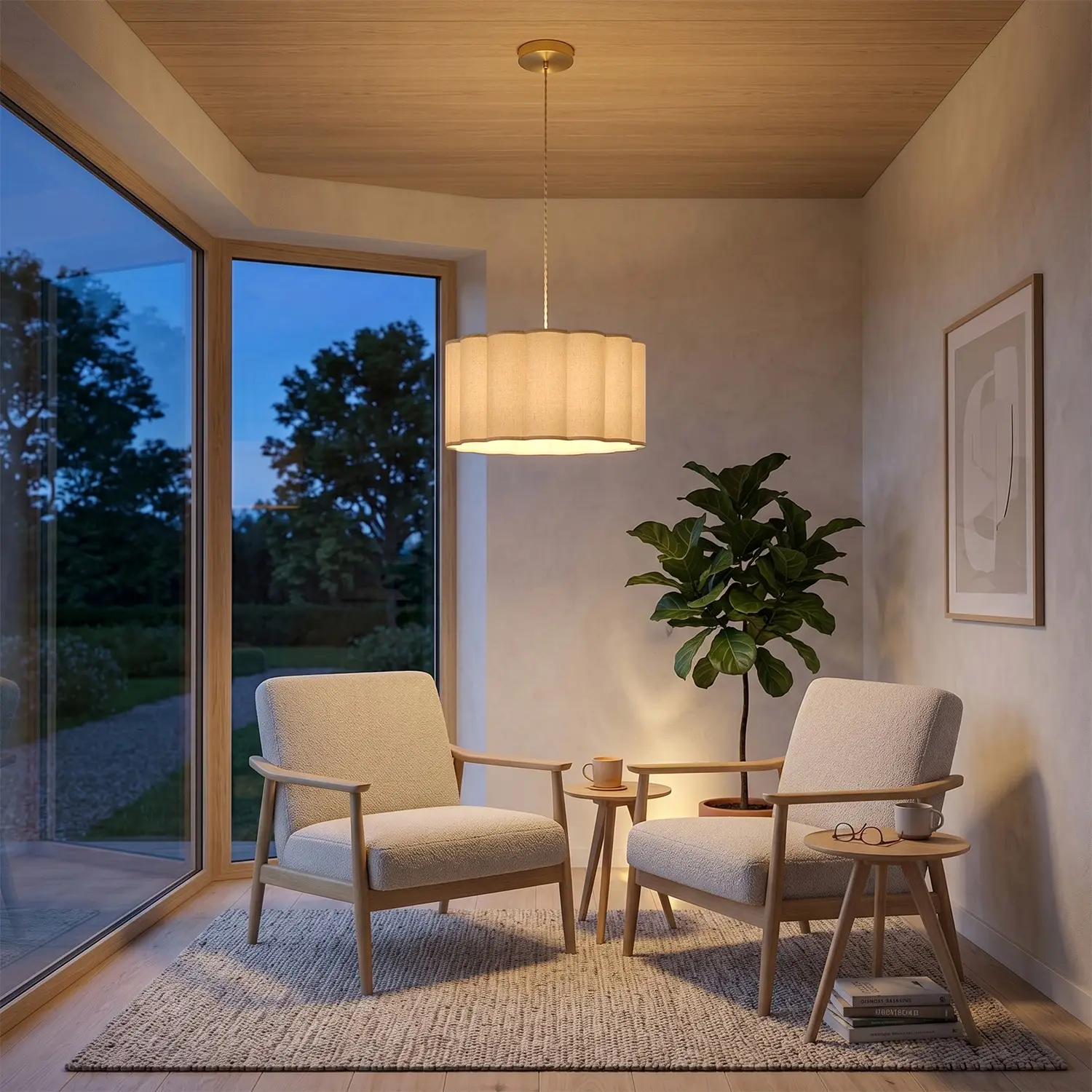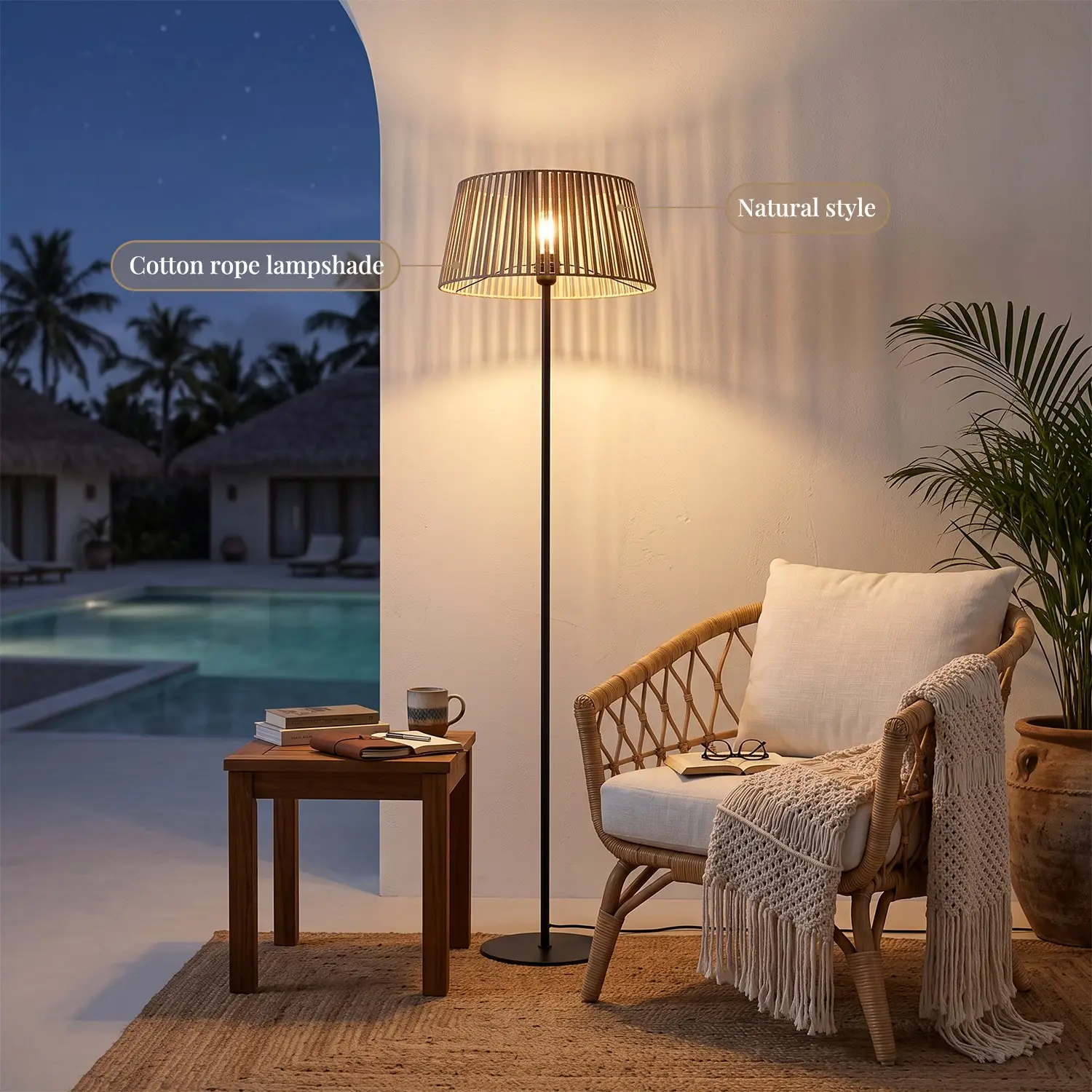
Rope pendant light wholesale supplier: Sourcing rope-based lighting for commercial projects requires a strict balance between aesthetic design and electrical safety. Procurement managers must prioritize verified UL 1598 compliance, fire-retardant material certifications, and independent structural load testing to mitigate installation risks in high-traffic hospitality and commercial environments.
The Procurement Challenge: Balancing Aesthetics with Electrical Safety
For lighting specifiers, the primary challenge lies in the intersection of natural material aesthetics and the rigid demands of commercial electrical infrastructure. While a Hemp Rope Pendant Light provides a rustic, organic atmosphere, the organic composition of the rope introduces potential hazards regarding thermal conductivity and flame spread. In our factory, we have observed that standard off-the-shelf rope lighting often fails when exposed to the continuous heat output of high-lumen LED or halogen sources. Procurement teams should mandate that suppliers demonstrate compliance with IEC 60598 standards, ensuring that the electrical assembly is insulated from the flammable exterior fibers.
Decoding Rope Standards: Structural vs. Decorative Specifications
Not all rope is manufactured to hold the weight of a glass or metal housing. We distinguish between decorative tension and load-bearing cabling in our assembly process. Decorative rope is purely aesthetic and should never bear the structural weight of the Pendant Lights. Instead, we utilize internal steel aircraft-grade cables encased in rope to ensure mechanical integrity. For projects involving heavy fixtures, such as our Glass Hanging Lights, structural tensile reports are essential. Never assume natural jute or hemp has sufficient load-bearing capacity without verified batch testing for the specific gauge and weave being supplied.
Wiring Integrity: Preventing Heat Dissipation Issues in Enclosed Rope Structures
Heat dissipation is a critical failure point in rope-encased wiring. When wires are bundled too tightly within a rope sleeve, the ambient temperature rises, degrading wire insulation and potentially causing shorts. During factory audits, we have implemented a dual-track assembly process. Our wire-threading protocols involve spacing conductors away from the outer surface of the rope, ensuring that airflow—however minimal—persists around the electrical components. We also utilize UL 1598 compliant decorative lighting practices, ensuring that the socket housing provides adequate thermal relief from the rope material.
Customization Parameters: Understanding Bend Radius and Diameter Constraints
Customization is often requested to fit unique ceiling heights or architectural voids. However, bending rope around a tight radius can cause kinking that hides potential damage to the inner electrical cabling. For our models like the Fabric Pendant Lights, we adhere to strict bend-radius limitations—typically 5 times the cable diameter—to prevent internal mechanical stress. Procurement managers should clarify if their desired rope diameter allows for standard wire-gauge integration, as oversized ropes can sometimes lead to excessive weight if not managed during the design phase.
The B2B Supplier Checklist: MOQ, Lead Times, and Certification Verification
When vetting a bespoke lighting manufacturer, focus on three pillars: MOQ, certification, and traceability. A reputable supplier should be able to provide a clear path from raw material fire-retardant treatment to final product testing. For large-scale renovations, the MOQ (Minimum Order Quantity) should be balanced against the project's lead time to allow for thorough batch testing. Always request a sample prior to mass production to verify that the fire-retardant coating does not compromise the aesthetic finish or the structural flexibility of the material.
Quality Assurance: How to Request Batch-Testing and Load Data
Quality assurance is not a passive activity. When sourcing, you must explicitly request batch-testing logs for components like the JM30351-5. These reports should include high-tensile load testing results, confirming that the fixture can withstand continuous tension. For our JM30364, we test for heat degradation at maximum wattage (E27, 1-bulb capacity) to ensure the housing remains within safe operating temperatures. Access to these internal quality control photos and test data distinguishes a professional factory from a third-party reseller.
Featured Solutions: Comparing Project Suitability
| Model | Primary Material | Application Suitability |
|---|---|---|
| JM30356 | Metal + Glass | Modern Hospitality / Lobby |
| JM30351-5 | Metal + Glass | Luxury Dining / Event Space |
| JM30364 | Linen + Fabric | Commercial Offices / F&B |
Request Project-Specific Spec Sheet or Quote
Ensure your project meets all safety and aesthetic requirements by reviewing our latest batch testing and technical compliance documentation.
Request a QuoteFrequently Asked Questions
Q: What are the typical lead times for custom-length rope pendant production?
A: Standard lead times range from 30 to 45 days, depending on the volume and the requirement for custom tensile load testing. Complex bespoke builds requiring specific rope weave diameters may require additional time for sample validation.
Q: How do suppliers verify the flame retardancy of natural fiber ropes for commercial lighting?
A: We conduct rigorous lab-verified fire-retardant treatment tests. The fibers are impregnated with chemical agents that meet standardized flammability testing protocols. We provide current material data sheets (MDS) with every shipment to verify these safety levels.
Q: What are the common failures in rope-to-socket assembly during high-volume production?
A: The most frequent failures include heat dissipation issues where wire insulation degrades due to proximity to socket heat, and structural slippage where the rope is not properly anchored to the load-bearing metal inner core. We mitigate these through our specialized dual-track assembly.
Q: Do UL/CE certifications for rope pendants cover the integrated wiring or just the lamp holder?
A: Our certifications, including CE marking, cover the entire electrical assembly, including the internal wiring and the structural attachment to the lamp holder, ensuring that the complete unit meets current safety regulations.
Q: What is the standard tolerance for rope tension and sagging in pendant installation?
A: Depending on the rope diameter, we maintain a maximum sag tolerance of 2% of the total length under rated load conditions. This is verified during our batch-testing for structural integrity on every production run.
Ready to start your project?
Contact our engineering team to discuss your specific technical requirements and project load-bearing needs.
Compare Models