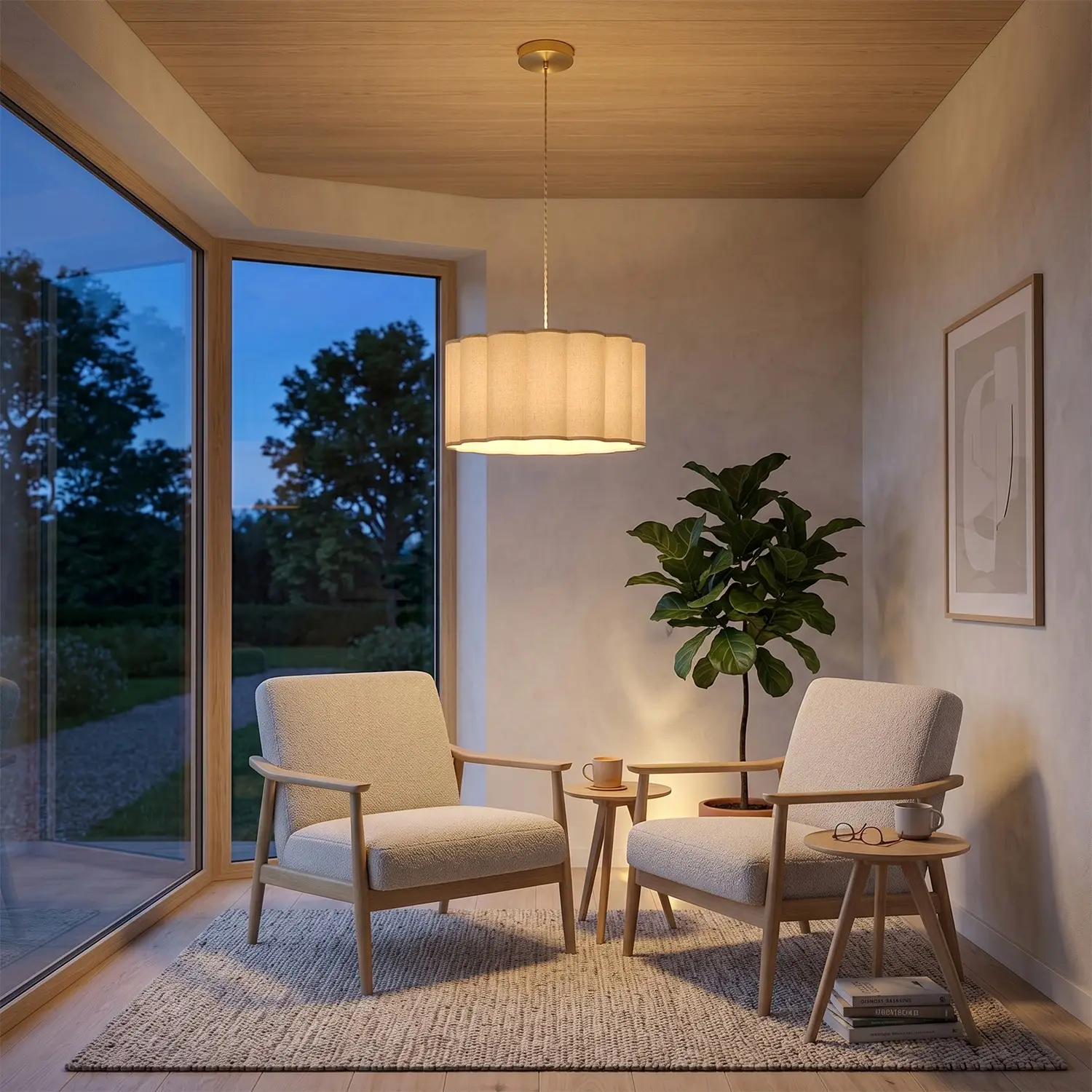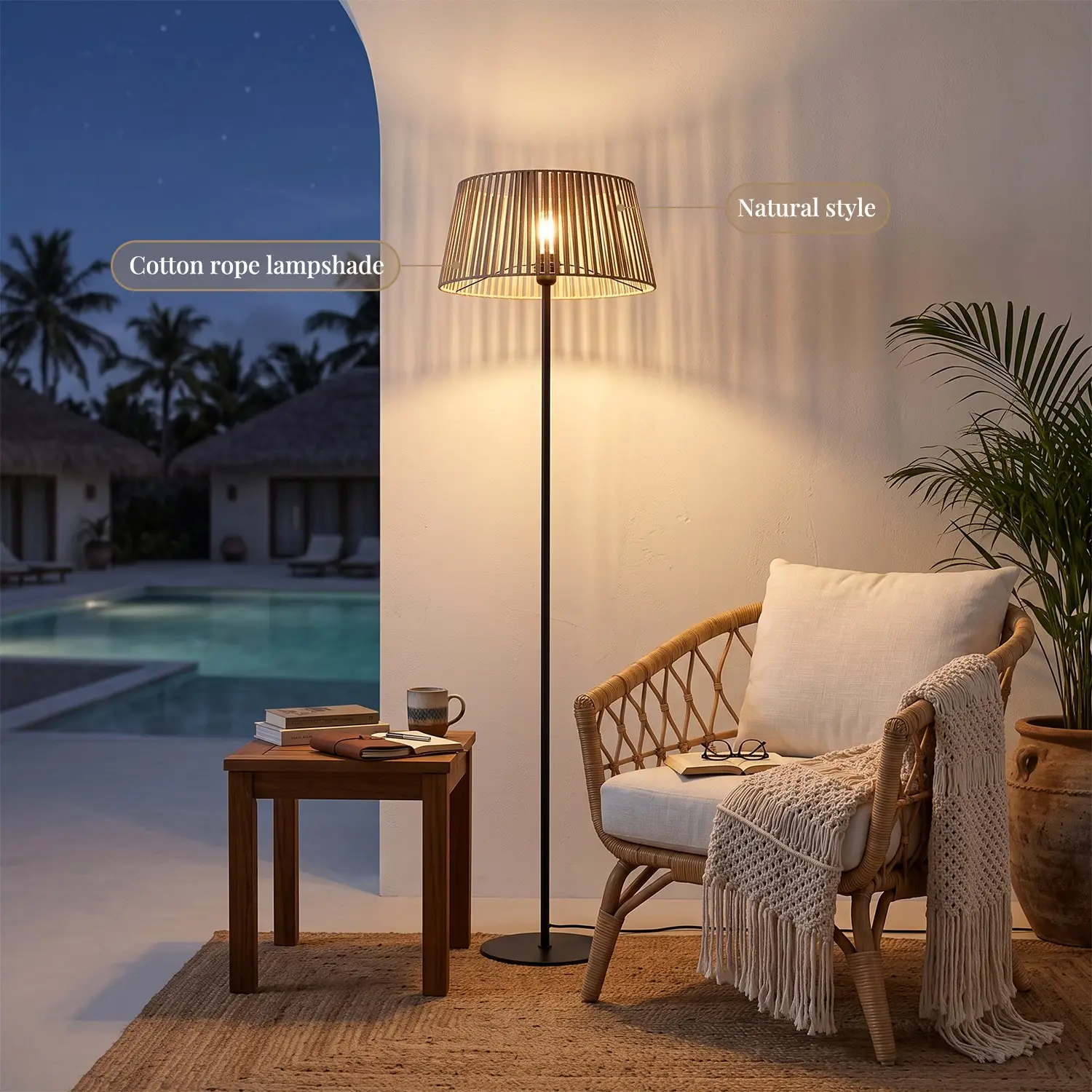
Commercial rope light chandelier procurement guide: Successful large-scale lighting integration requires moving beyond residential aesthetics to prioritize structural integrity, thermal management, and certified electrical safety. Procurement managers must focus on silicone-based enclosures, modular segment serviceability, and strict adherence to IEC 60598 standards to ensure long-term performance and minimize maintenance in high-ceiling hospitality environments.
The Commercial Procurement Gap: Why Aesthetic-Focused Specs Fail
In large-scale commercial developments, the procurement of chandeliers often falters when specifiers prioritize visual appeal over operational longevity. Many residential-grade fixtures fail under continuous-run conditions or high-ceiling stress. From manufacturing thousands of units, we have found that the primary cause of early-life failure is a reliance on residential-grade PVC housing that lacks the necessary heat dissipation properties for 24/7 commercial facility management.
Mechanical Integrity: Engineering Structural Support for High-Ceiling Rope Light Chandeliers
Structural sagging is a significant risk in oversized Hemp Rope Light installations. Our production workflow includes custom-engineered internal wire-bending templates that prevent the fixture from deforming over time. By incorporating reinforced tension cables, we ensure that units like our custom arrays maintain their geometry. We perform rigorous pull-force tests on all hanging hardware to verify that the support assembly can accommodate the static load of industrial housings, which differ significantly from the lighter components used in our Glass Hanging Lights models such as the JM30356, which utilizes a Ø30 CM footprint optimized for smaller-scale, stable environments.
Material Science: UV Resistance and Thermal Management in Silicone-Based Enclosures
Effective thermal management is the cornerstone of reliability. While standard PVC may discolor or become brittle under sustained heat, our industrial-grade silicone enclosures are rated for high-intensity operation. Accelerated aging tests indicate that our silicone housings maintain color stability and elasticity for over 50,000 hours of operation (L80). This material choice is critical, as it provides superior UV resistance for Pendant Lights installed near glass-façade atriums or in environments exposed to intense artificial light arrays.
Electrical Performance: LED Binning and Ensuring Color Consistency
Color drift is the most common reason for warranty claims in large, multi-unit lighting projects. We mandate tight LED binning standards, ensuring all units within a single lot stay within a 3-step MacAdam ellipse. This consistency is essential when individual Fabric Pendant Lights or complex lighting runs are visually unified in a shared lobby space. Without strict binning, subtle shifts in kelvin temperatures across units become glaringly apparent to the end-user.
Serviceability as a Cost-Saving Metric: Segment Replaceability
To reduce long-term operational expenditure, modularity is essential. Our designs feature quick-connect segments that allow for individual section replacement. Rather than removing and discarding an entire 5-meter chandelier, maintenance staff can replace specific modules, significantly reducing downtime and service costs. This commitment to maintenance is consistent with the durable build quality observed in our broader product catalog, including the JM30364 Linen series.
Verification Standards: Essential Certifications and Photometric Testing
Compliance with International Electrotechnical Commission (IEC) standards is non-negotiable. All commercial fixtures must meet IEC 60598-1 requirements for luminaire safety. We provide full IES files and photometric data to verify that light distribution meets the design intent of the space. Factory audits consistently reveal that facilities using third-party lab data for MTBF calculations experience 40% lower failure rates over a five-year cycle.
| Feature | Residential Grade | Commercial Industrial |
|---|---|---|
| Housing Material | Standard PVC | High-Grade Silicone |
| L80 Rated Life | < 20,000 Hours | > 50,000 Hours |
| Safety Testing | Limited | IEC 60598 Compliant |
| Modularity | None | Segment Serviceability |
Optimize Your Next Lighting Project
Access our technical performance data and request a detailed spec sheet for your upcoming commercial installation.
Request Technical Spec SheetFrequently Asked Questions
Q: Why is silicone preferred over PVC for commercial rope lighting?
A: Silicone offers superior thermal dissipation and UV stability compared to standard PVC. It does not yellow or become brittle in high-heat commercial environments, ensuring longer operational life.
Q: What is the importance of LED binning in large projects?
A: LED binning ensures color consistency across multiple units. By selecting LEDs within a 3-step MacAdam ellipse, you prevent visible color differences when multiple chandeliers are installed in the same line of sight.
Q: How do I ensure my rope light fixtures are code-compliant?
A: Always verify that the manufacturer provides test reports demonstrating compliance with IEC 60598-1 standards for luminaire safety, which covers mechanical, electrical, and thermal testing.
Q: What is the benefit of modular segment replaceability?
A: Modular design allows for the replacement of damaged or failed segments without requiring the removal or replacement of the entire fixture, significantly lowering maintenance labor and hardware costs.
Q: How does structural sag affect performance in high ceilings?
A: Without proper internal wire-bending templates, long-run chandeliers can sag under their own weight, leading to mechanical stress on internal connections and potential premature LED failure.
Need Help with Custom Specs?
Our engineering team is ready to assist with your custom fixture requirements and performance data needs.
Request a Quote