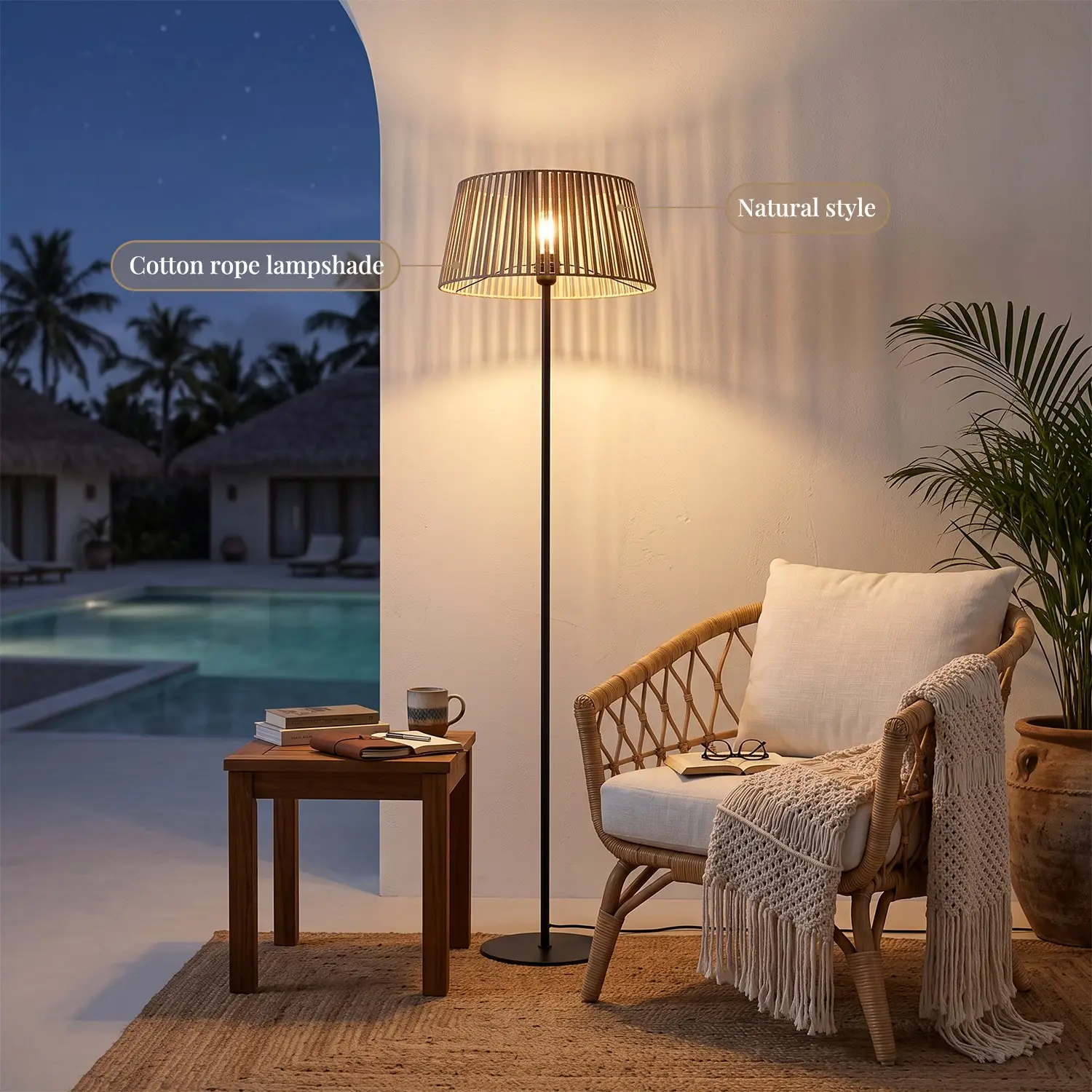
Wholesale fabric semi-flush lighting procurement: Selecting the right fixtures for commercial environments requires balancing aesthetic design with industrial safety standards, specifically NFPA 701 fire-retardant certification and thermal management. Procurement managers must prioritize durability, standardized lumen output, and field-replaceable components to minimize total cost of ownership in high-traffic hospitality and office applications.
The B2B Procurement Dilemma: Balancing Aesthetics and Industrial Durability
In high-traffic commercial spaces, the transition from standard architectural lighting to Fabric Pendant Lights or semi-flush mounts often introduces challenges regarding durability and safety. Procurement managers frequently struggle to find fixtures that offer the high-end aesthetic of textile shades while meeting the stringent requirements of building codes. Unlike residential lighting, commercial installations demand materials that resist dust accumulation, color fading under UV exposure, and heat-induced material fatigue. Successful procurement requires shifting the focus toward life-cycle performance and standardized testing results rather than initial visual appeal alone.
Engineering Fabric Shades for Commercial Longevity: Weave Density and Thermal Safety
Thermal management is the most critical failure point in fabric-enclosed lighting. During factory testing, we have observed that improper ventilation leads to premature degradation of LED modules. Our internal engineering processes involve proprietary framing designs that facilitate convective cooling, ensuring the internal temperature remains stable even during extended operation. For instance, our Floor Lamp models like the JF30395-A utilize specific textile diffusion techniques that mitigate heat buildup. By specifying a balanced weave density, we ensure the fabric allows for adequate airflow without compromising the structural integrity of the light diffusion.
The Impact of Porosity on Lumen Output: Technical Data for Project Lighting Plans
Porosity dictates the efficiency of your lighting system. A higher weave density, such as 350gsm, provides superior light diffusion but results in a significant reduction in delivered lumens compared to 200gsm fabrics. For professional project lighting plans, these figures must be accounted for to meet foot-candle requirements for office or hospitality safety.
| Fabric Spec | Lumen Transmittance | Best Use Case |
|---|---|---|
| 200gsm (Light) | 85% | General Office Ambient |
| 350gsm (Heavy) | 65% | Hospitality Accent Lighting |
Need Technical Data for Your Lighting Specs?
Request our comprehensive material sample kit and technical data sheets to ensure your project meets all regulatory requirements.
Request Spec SheetCompliance as a Standard: Meeting NFPA 701 and UL-Certified Module Integration
For commercial installations, compliance is non-negotiable. All textiles used in our fabric fixtures are tested to meet the NFPA 701 standard for flame propagation. Beyond the fabric, the electrical components must adhere to global safety standards. Our manufacturing line uses UL-certified LED modules in models like the JM30364 to ensure safety and code compliance. We maintain documented accelerated aging reports that confirm colorfastness and fabric stability over thousands of hours of operation, adhering to IEC 60598 luminaire standards.
Maintenance and Field-Repairability: Reducing Total Cost of Ownership (TCO)
Maintenance planning is essential for large-scale procurement. Avoid the pitfall of assuming integrated, non-serviceable units are lower maintenance. Our Ceiling Light configurations are designed with field-replaceable LED modules, allowing facility managers to swap components without replacing the entire shade structure. Routine care should involve low-pressure vacuum attachments and dry-cloth dusting; excessive chemical cleaners are discouraged as they may degrade the fire-retardant coating on the textile.
Quality Control Protocols: Ensuring Uniformity Across Bulk Production Runs
Consistency across bulk production is maintained through our proprietary precision tensioning technology. During our factory floor audit, we verify that each shade meets a specific tension tolerance of +/- 2mm to prevent visible sagging or uneven light leakage. Every batch undergoes a standardized aging test to ensure consistent color quality under varied lighting temperatures. By managing the production internally, we provide the documentation needed for large-scale commercial audits.
Conclusion: Selecting a Strategic Manufacturing Partner
Choosing a partner for Sourcing Bulk Fabric Pendant Lamps requires technical due diligence. When evaluating manufacturers, prioritize those who can provide verifiable NFPA 701 test data, UL certification for electrical components, and clear documentation on maintenance protocols. A strategic partner does not just supply lighting; they provide a long-term solution that lowers total cost of ownership while maintaining the architectural vision of the space.
Frequently Asked Questions
Q: What is the standard fire safety requirement for fabric lighting in commercial spaces?
A: Most commercial building codes require fabric-based fixtures to comply with NFPA 701 standards, which measure the flame propagation of textiles used in interior furnishings.
Q: How does fabric density affect light output in a commercial setting?
A: Higher fabric density, such as 350gsm, results in lower light transmittance compared to 200gsm fabrics, which can significantly alter the required wattage of the internal LED modules to achieve the same foot-candle result.
Q: Are fabric semi-flush mounts suitable for high-humidity areas like bathrooms?
A: Standard fabric shades are not recommended for high-humidity environments unless the fabric and backing have received specific moisture-rated certification and waterproofing treatments.
Q: What is the recommended maintenance protocol for fabric shades?
A: Routine maintenance should be limited to light dusting with a dry cloth or using a vacuum attachment on a low-suction setting. Chemical cleaners should be avoided as they may damage the flame-retardant coating.
Q: Why is field-replaceability of LED modules important for procurement?
A: Field-replaceable LED modules significantly lower the total cost of ownership (TCO) by allowing facility management to service the electrical components without needing to replace the entire decorative shade assembly.
Streamline Your Procurement
Our engineering team is ready to assist with your bulk project specifications and compliance documentation needs.
Get a Custom Quote