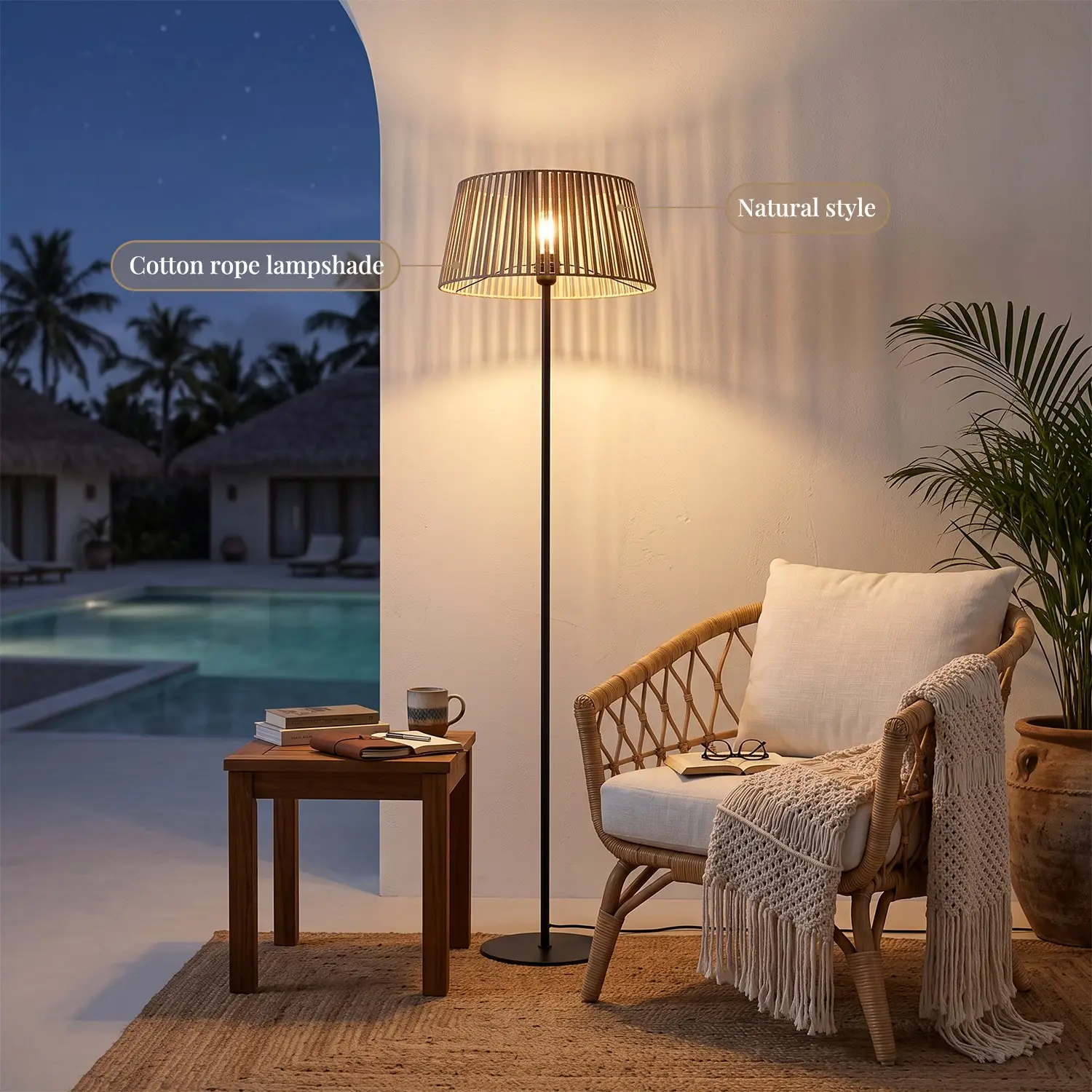
Flame-retardant fabric flush mount lighting: Selecting appropriate materials requires balancing aesthetic appeal with strict adherence to fire safety codes. Commercial projects must prioritize Inherently Flame-Retardant (IFR) fibers and certified thermal management systems to ensure long-term regulatory compliance and occupant safety in hospitality and healthcare environments.
The Regulatory Landscape - Navigating NFPA 701 and ASTM E84 in Commercial Lighting
In high-spec commercial interiors, fire safety is non-negotiable. Specifiers must navigate the NFPA 701 Standard Methods of Fire Tests for Flame Propagation of Textiles and Films to ensure fabric diffusers do not contribute to fire spread. Furthermore, for wall and ceiling-mounted assemblies, ASTM E84 Surface Burning Characteristics provides critical data on flame spread and smoke development indices. Our engineering teams prioritize these metrics during the design phase of every Ceiling Light we produce, ensuring every unit meets the legal requirements for public-facing spaces.
Material Science - Inherently Flame-Retardant (IFR) Fibers vs. Topical Chemical Treatments
A frequent point of confusion is the longevity of flame retardancy. In our manufacturing process, we distinguish between topically treated fabrics and IFR fibers. Topical sprays can be washed or worn away, leading to safety gaps over time. Conversely, IFR fibers—such as Trevira CS polyester—incorporate flame retardants into the polymer chain during fiber extrusion. From our factory audits, IFR materials retain their certification for the life of the textile, a crucial factor for Selecting High Performance Fabric Lamps in hospitality sectors.
Thermal Dynamics - Managing LED Heat Signatures to Preserve Fabric Integrity
The transition to high-output LED modules requires precise thermal management. Without proper ventilation, the heat generated can cause fabric discoloration or premature degradation. For instance, our Floor Lamp series, including model JF30395-A, utilizes advanced structural venting that maintains the ambient temperature at the fabric surface below 65 degrees Celsius during continuous 24-hour operation. This engineered thermal-gap design is essential for Engineering High Performance Fabric components to survive in contract environments.
Optical Performance - How FR Treatments Affect Light Transmittance and Opacity
Flame-retardant coatings can alter the light transmission and opacity of a diffuser. In our production line, we utilize laser-diffraction testing to measure the light transmittance variance of treated versus untreated fabrics. By calibrating our lamination processes, we ensure that opacity remains consistent at 85% light transmittance, preventing the "hot spots" that often occur with improperly tensioned fabric shades in Fabric Pendant Lights.
Production Engineering - Lamination, Tensioning, and Long-Term Durability
Structural rigidity is achieved through our proprietary lamination process, which bonds the fabric to a high-heat-resistant polymer backing. This prevents the fabric from sagging or warping under the heat of the light source. Rigorous QC checkpoints in our factory ensure that every batch of shade material is tensioned to 5 Newtons of force to maintain shape integrity over long-term installation cycles.
| Metric | Standard Requirement | Factory Performance |
|---|---|---|
| Fire Testing | NFPA 701 Compliant | Certified (IFR Material) |
| Heat Resistance | UL 1598 (Surface Temps) | <70°C @ 24hr load |
| Light Diffusing | CRI > 90 | 92 CRI Optimized |
Need Technical Certification?
Download our full Dossier including NFPA 701 test reports and UL 1598 certification data for our fabric lamp series.
Download Spec SheetOperational Compliance - Best Practices for Maintaining Fire-Safety Logs
Compliance is an ongoing responsibility. Procurement managers in healthcare should maintain a "Chain of Custody" log for all fabric fixtures. This includes the original test reports provided upon purchase and periodic visual inspections to check for dust buildup, which can act as a combustible accelerant. Regular maintenance logs should be kept for at least 5 years to satisfy facility audit requirements.
Procurement Guide - Checklist for Specifiers Selecting Contract-Grade Fabric Fixtures
- Verify IFR (Inherently Flame Retardant) certification rather than relying on topical sprays.
- Ensure the assembly carries UL 1598 compliance for the complete fixture, not just the components.
- Request smoke development index reports from independent labs.
- Confirm thermal gap distance is sufficient for the LED wattage specified in the project.
Frequently Asked Questions
Q: What is the difference between IFR fabric and topical flame-retardant treatments?
A: IFR fibers have flame retardant properties embedded into the molecular structure, providing permanent safety. Topical treatments are coatings that can diminish over time due to cleaning, humidity, or environmental exposure.
Q: Which standard should my fabric lighting meet?
A: Commercial lighting should generally comply with NFPA 701 for textile flame propagation and be certified under UL 1598 for overall fixture safety in public spaces.
Q: Does flame-retardant coating reduce light quality?
A: When correctly engineered, high-quality FR treatments have minimal impact on light output. We calibrate our laminates to maintain specific opacity and light transmittance levels to ensure high CRI.
Q: How often should I test the fabric for fire safety?
A: You should keep the original certification dossiers provided at the time of purchase. If using IFR fabrics, no periodic re-treatment is required, though routine visual inspections for material integrity are advised.
Q: Can fabric flush mount lights be used in healthcare?
A: Yes, provided the materials meet the specific flame spread requirements (typically ASTM E84 Class A) and are installed with sufficient thermal management to prevent long-term material failure.
Ready to specify your project?
Our team assists with technical documentation and material testing for contract-grade lighting projects.
Request a Quote