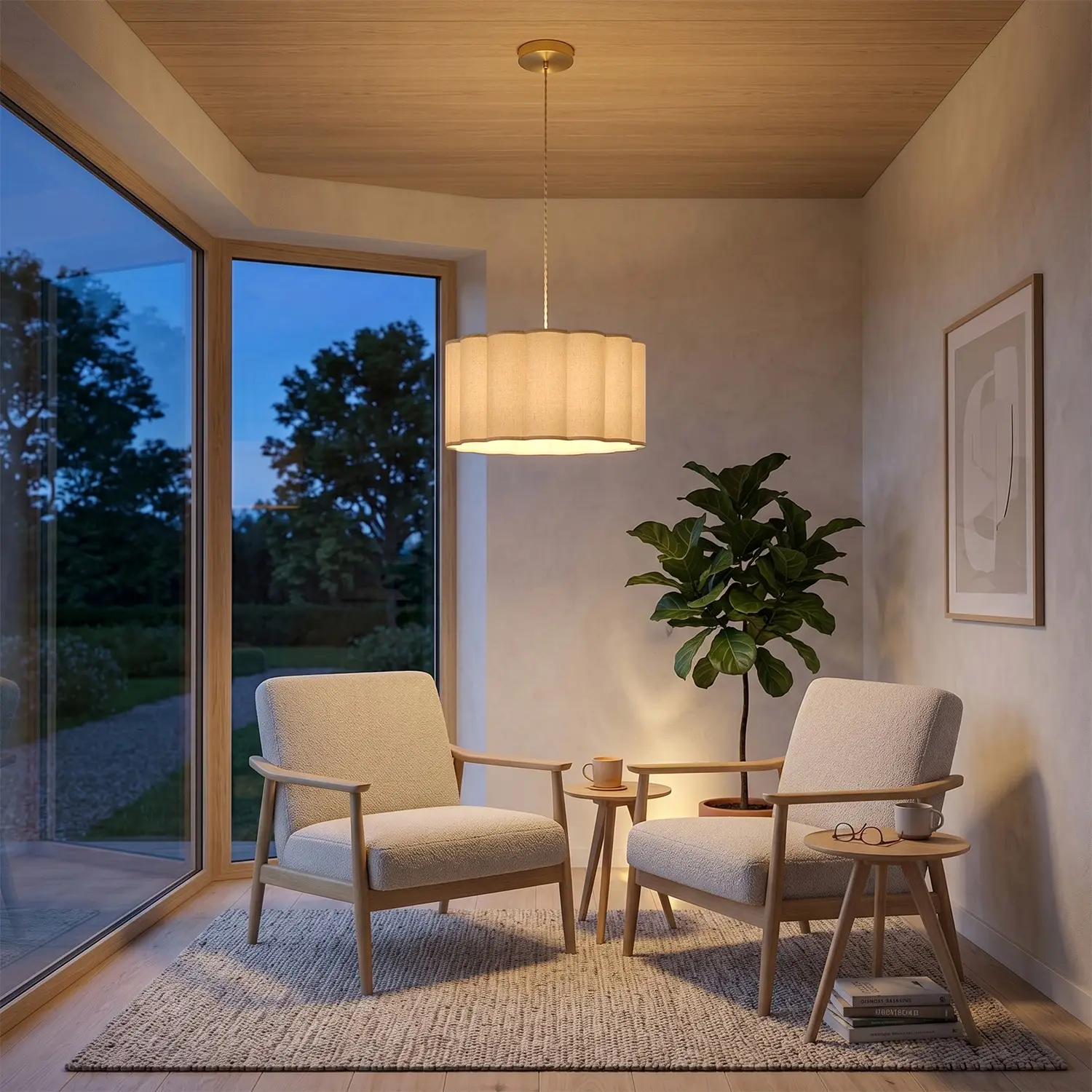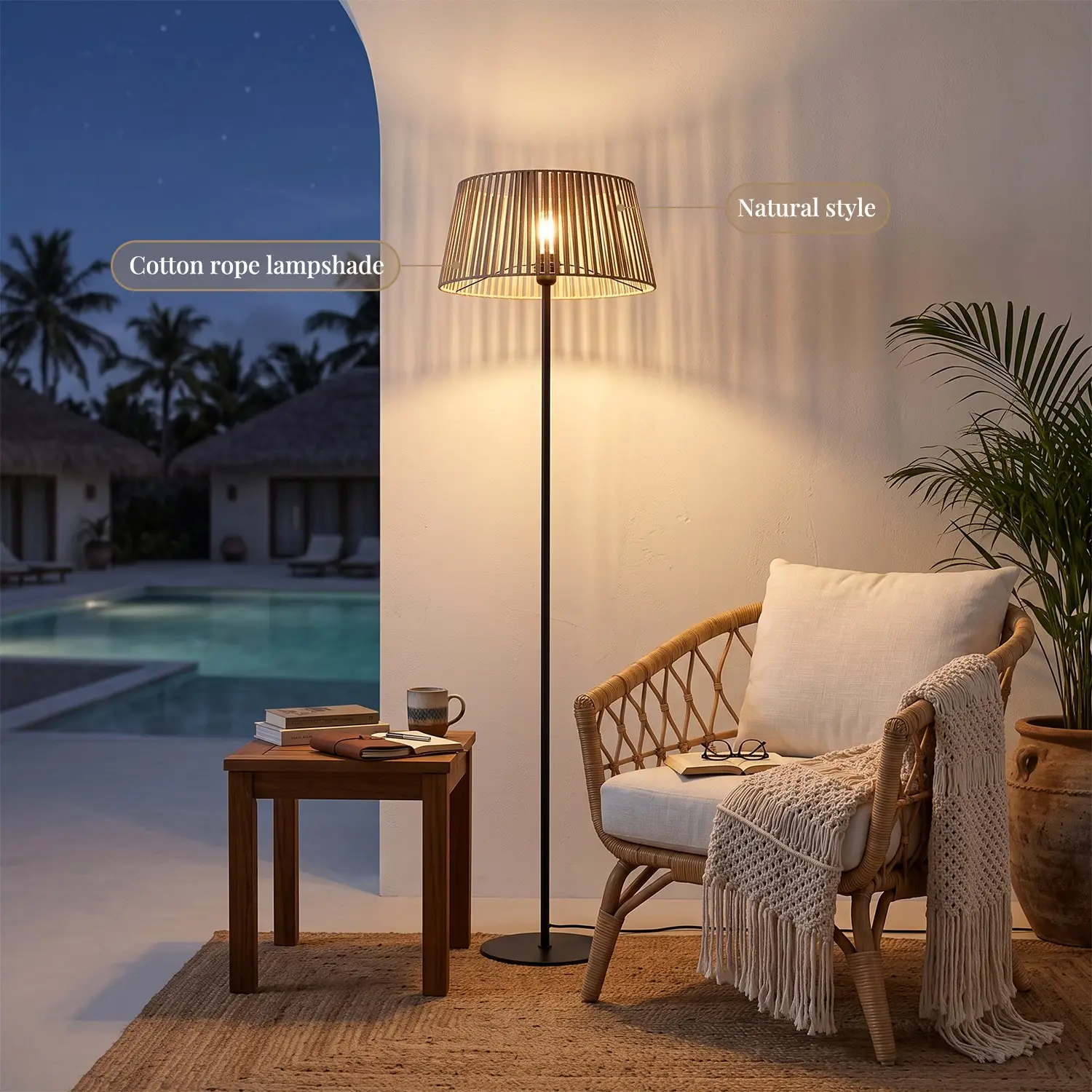
Fabric diffuser light engineering for hospitality: Successfully integrating fabric diffusers into high-traffic hotel environments requires a precise balance between soft-glow aesthetics and rigorous technical standards. This guide examines how material transmittance, structural tensioning, and flame-retardant compliance define the long-term performance and reliability of commercial lighting installations.
The Engineering Trade-off: Aesthetics vs. Luminaire Efficiency
In high-end hospitality, the visual appeal of Fabric Pendant Lights is often prioritized, yet engineering the functional output is a significant challenge. The primary trade-off exists between the desired warm, diffused "soft glow" and the necessary lumen output for interior spaces. During our Engineering Fabric Pendant Hospitality processes, we prioritize maintaining a high luminous flux while optimizing light scattering. Unlike Glass Hanging Lights, which offer predictable refraction, textiles introduce variables in light absorption and thermal retention that must be managed to ensure the longevity of the LED source.
The Physics of Diffusion: Transmittance, Reflectance, and Hot-Spot Suppression
Diffusion efficacy is measured through the ratio of transmitted to reflected light. High-performance diffusers utilize specific weave densities to minimize hot-spots, which occur when light source intensity exceeds the textile's ability to scatter photons. We utilize an integrating sphere to verify these metrics, ensuring that our Floor Lamp models like the JF30395-A provide optimal ambiance without compromising source efficiency. The following table provides a reference for selecting materials based on performance needs.
| Diffuser Type | Transmittance (%) | Hot-Spot Suppression |
|---|---|---|
| Technical Mesh | 85-90% | Moderate |
| Double-Layer Linen | 60-70% | High |
| Poly-Blend Twill | 45-55% | Excellent |
Need precise photometric data for your project?
Contact us to request integration reports for your specific fabric and light source configuration.
Request Project PhotometricsFabric Tensioning and Long-term Structural Integrity
In hospitality, where lights are often operated for 16+ hours daily, fabric sag is a common failure point. We employ precision-tensioned assembly processes, ensuring that the textile maintains its shape despite high-heat operational cycles. Factory-side QC involves multi-cycle heating tests to ensure the internal framework and fabric interface remain stable, preventing the "drooping" effect that ruins architectural lines.
Impact on Spectral Power Distribution and CRI
Diffusers can unintentionally filter light, shifting the Correlated Color Temperature (CCT) or degrading the Color Rendering Index (CRI). Our Evaluating Fabric Quality Long Pendant protocols include measuring the spectral power distribution of the naked source against the fabric-diffused source. We ensure CRI remains within a +/- 2 point tolerance, meeting the stringent requirements for luxury hotel guest rooms and lobbies.
Compliance and Safety: Navigating NFPA 701 and Fire-Retardant Standards
Safety is non-negotiable in hospitality. All textile components must adhere to NFPA 701 standards for flame resistance. During production, each batch of fabric undergoes standardized testing to confirm that the flame-retardant chemical treatment meets the requisite duration and temperature thresholds. Documentation is provided for all project submissions to ensure compliance with IEC 60598 global luminaire standards.
Implementation Strategy: Selecting the Right Diffuser
Procurement officers should evaluate the environment: high-traffic corridors require high-durability fabrics with dust-repellent coatings, while guest rooms may allow for more delicate weaves. When designing Chandeliers or custom fixtures, the proximity of the light source to the fabric is critical—a minimum 50mm clearance is generally recommended to mitigate thermal stress and improve lamp longevity.
Technical Specifications and Request for Custom Project Photometrics
We provide full-scale photometric reports, including lumen maintenance data over 5,000 hours of continuous operation. Our engineering team supports bespoke requirements, adjusting transmittance ratios to hit target foot-candle requirements in public spaces. For inquiries on specific models or custom engineering for your hotel project, please contact our technical desk.
Frequently Asked Questions
Q: How does fabric density affect light transmission and glare reduction in architectural lighting?
A: Higher fabric density increases light absorption and scattering, which effectively reduces glare and hot-spots but decreases the total lumen output. Achieving the balance involves selecting the optimal weave structure to diffuse light while maintaining the desired brightness.
Q: What are the maintenance and fire safety requirements for fabric diffusers in hospitality environments?
A: Fabrics must meet NFPA 701 fire-retardant certification. Maintenance requires dust-repellent coatings to prevent debris buildup that can cause heat pockets and affect light output over time.
Q: How do fabric diffusers impact the beam angle and color temperature consistency of LED sources?
A: Fabric diffusers act as an optical filter. While they soften the light output, they can potentially shift CCT if the material is not optically neutral. We test all materials to ensure CRI and CCT remain within professional hospitality tolerances.
Q: What are the durability considerations for fabric materials in high-traffic hotel corridors and lobbies?
A: Durability depends on tensile strength and the assembly method. Precision-tensioned frames prevent sagging, while high-denier synthetic fibers ensure resistance to environmental wear and tear in high-traffic zones.
Q: Can fabric diffusers be integrated with smart lighting control systems to enhance ambiance?
A: Yes. Because our fabric solutions are engineered to maintain consistent color rendering, they are fully compatible with tunable white and dimming control systems used in modern smart-hotel installations.
Ready to optimize your hospitality project?
Request our latest technical catalog or submit your project specs for a custom photometric analysis.
Request Material Samples